
SHOP BY CATEGORY
Composting at Home in Pakistan (DIY & Organic Solutions)

Introduction
Composting at home is one of the smartest, cheapest, and most eco‑friendly gardening practices gaining popularity in Pakistan. With rising fertilizer costs and increasing interest in organic home gardening, many Pakistani gardeners are now searching for how to make compost at home, DIY organic compost, and kitchen waste composting methods. Composting at home not only reduces household waste but also improves soil health, boosts plant growth, and naturally protects plants from diseases.
At SeedBeej.pk, we strongly encourage sustainable gardening. Composting at Home in Pakistan guide is designed for beginners and experienced gardeners who want practical, realistic composting methods that work well in Pakistan’s climate.
Why Composting at Home Is a Game‑Changing Gardening Habit
Home composting turns everyday kitchen and garden waste into nutrient‑rich organic fertilizer. In Pakistan’s soil conditions, compost helps improve water retention, soil structure, and beneficial microbial activity.
Key benefits include:
- Healthier plants with stronger roots
- Reduced need for chemical fertilizers
- Better resistance against pests and fungal diseases
- Lower gardening costs
Organic compost works exceptionally well with vegetable seeds, flower seeds, indoor plants, and fruit plants available in the Seeds and Plants categories at SeedBeej.pk.
What Can You Compost at Home?
Understanding what goes into your compost bin is the foundation of successful composting.
Green Waste (Nitrogen‑Rich)
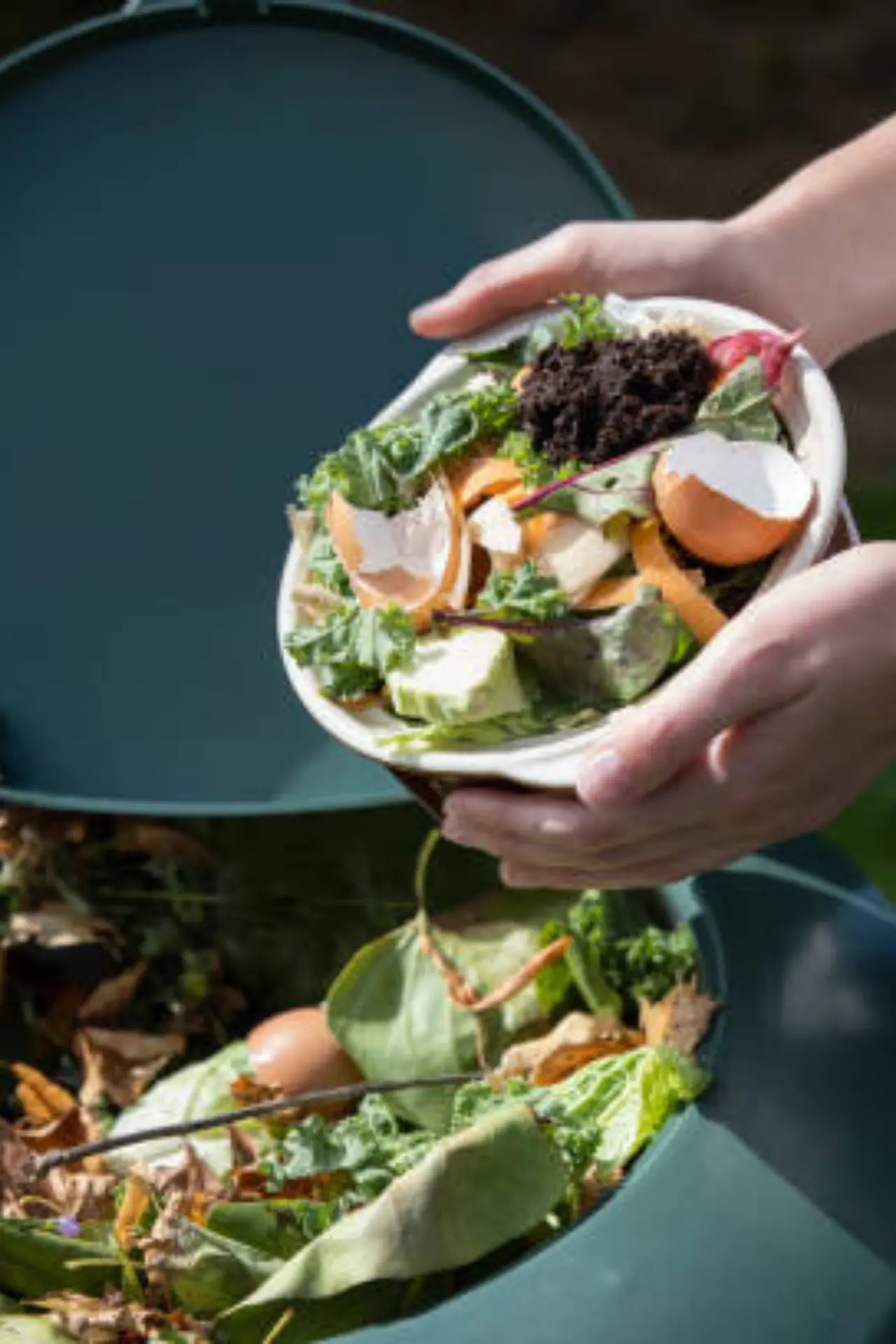
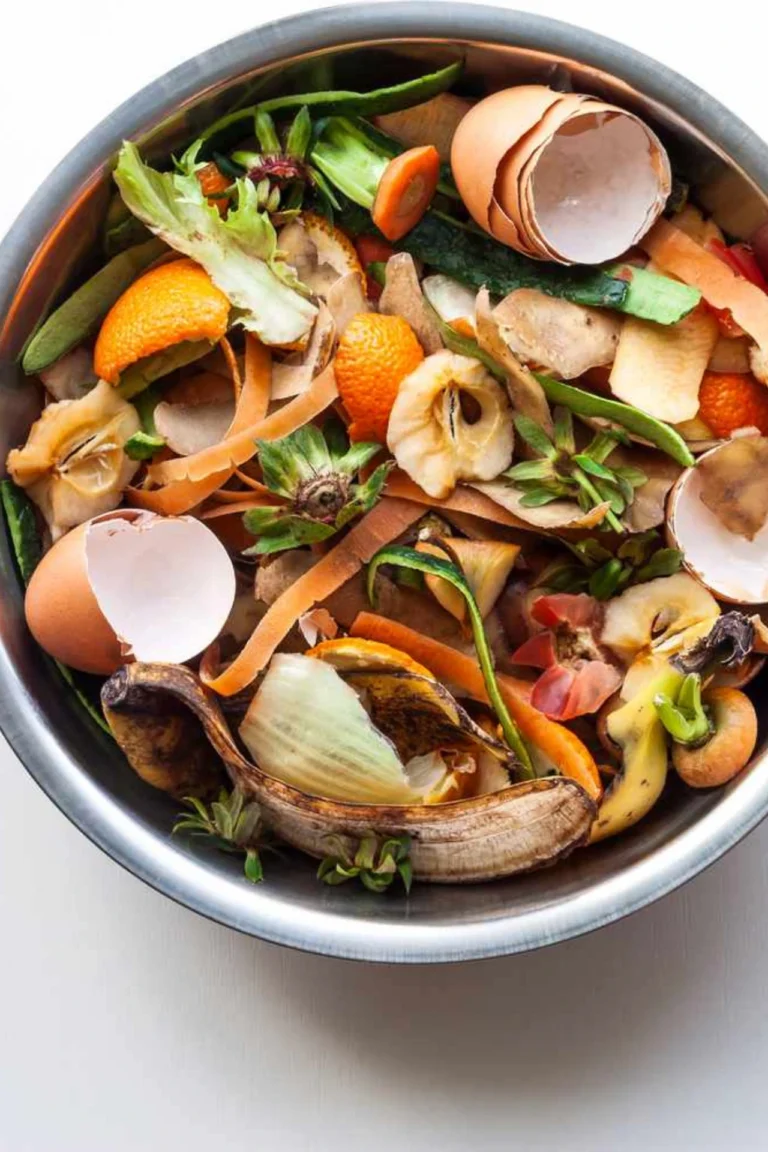
- Vegetable and fruit peels
- Tea leaves and coffee grounds
- Fresh grass clippings
- Plant trimmings
Brown Waste (Carbon‑Rich)
- Dry leaves
- Cardboard and paper (shredded)
- Straw or dry grass
- Egg cartons
Maintaining a balance between green and brown waste helps prevent bad odor and speeds up decomposition.
Easy DIY Composting Methods for Pakistani Homes
1. Bucket Composting (Best for Apartments)
This is one of the most searched methods for indoor composting in Pakistan. Use a plastic bucket with small holes for airflow. Layer green and brown waste, sprinkle soil, and mix weekly.
2. Pit Composting (Ideal for Home Gardens)
Dig a small pit in your garden, add organic waste, and cover with soil. This method works especially well for people growing vegetables and flowers from seeds.
3. Pot Composting for Small Spaces
You can compost directly in large pots by layering organic waste and garden soil. This compost can later be used for container gardening and indoor plants.
Composting Timeline: How Long Does It Take?
In Pakistan’s warm climate, composting is faster compared to colder regions.
- Summer: 30–45 days
- Spring/Autumn: 45–60 days
- Winter: 60–90 days
Turning the compost every 7–10 days improves airflow and speeds up the process.
Common Composting Problems and Simple Fixes
Bad Smell
Usually caused by excess green waste or poor airflow. Add dry leaves or shredded paper and mix well.
Compost Too Dry
Lightly sprinkle water. Compost should feel like a damp sponge.
Pests in Compost
Always cover kitchen waste with soil or dry leaves. This reduces flies and insects.
How to Use Homemade Compost in Gardening
Homemade compost is highly versatile:
- Mix with garden soil before sowing seeds
- Use as a top layer for flowering plants
- Blend with potting mix for indoor plants
- Combine with organic fertilizers for better results
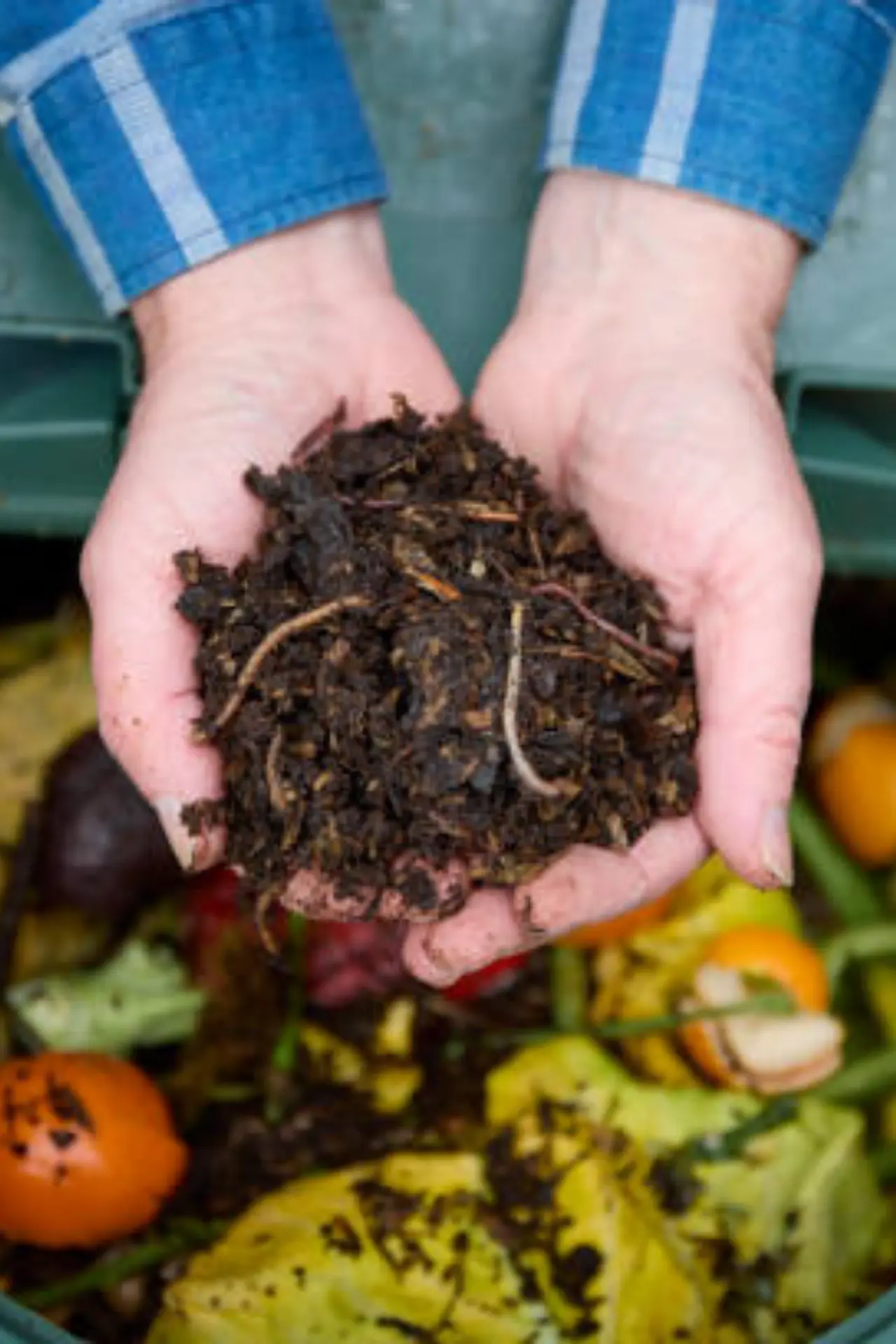
Compost enhances nutrient absorption and supports healthy plant growth without chemical stress.
.
Composting and Pest & Disease Prevention
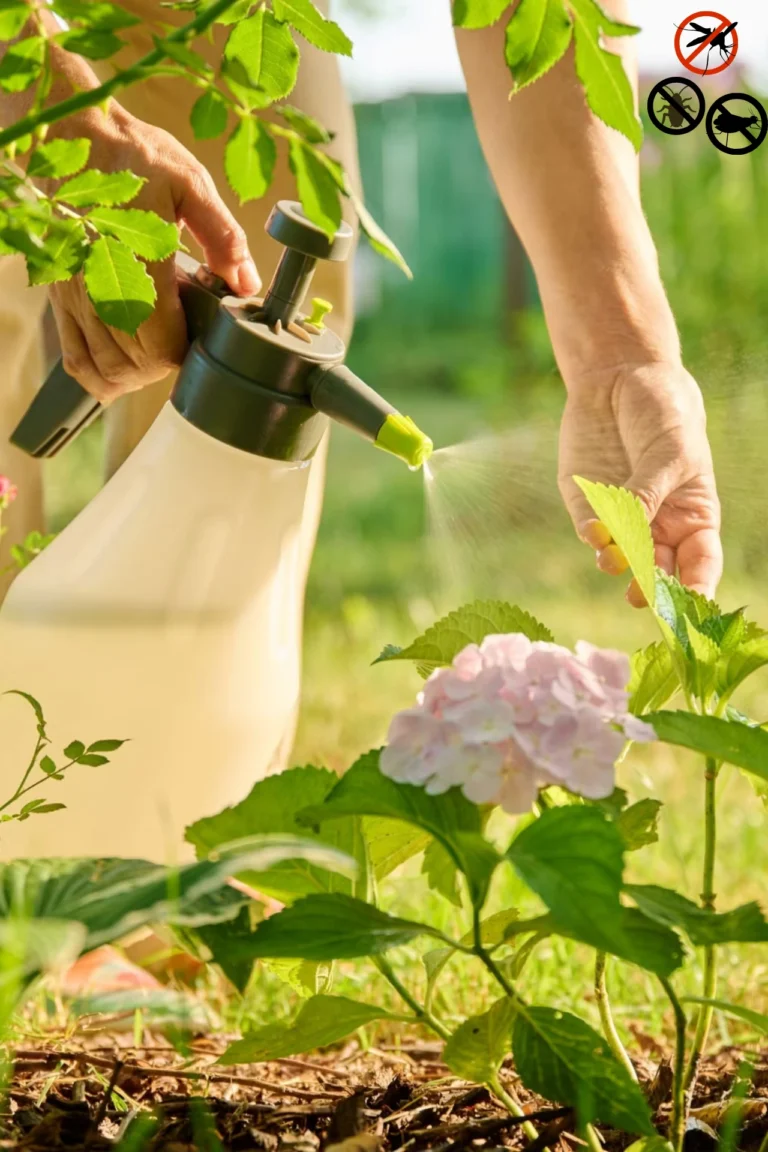
Healthy soil equals healthy plants. Compost improves beneficial microbes that naturally suppress soil‑borne diseases and pests. When used regularly, it reduces the chances of fungal infections, root rot, and nutrient deficiencies.
This makes composting a perfect companion practice alongside organic pest control and natural plant care methods.
Beginner Mistakes to Avoid in Home Composting
- Adding cooked food or oily waste
- Ignoring moisture balance
- Never turning the compost
- Using only green waste
Avoiding these mistakes ensures high‑quality compost suitable for all garden plants.
.
FAQs – Composting at Home
Can I compost in a flat or apartment?
Yes, bucket or pot composting works perfectly for apartments.
Is compost better than chemical fertilizer?
Compost improves soil health long‑term, while chemicals offer short‑term results.
Can compost attract insects?
Properly managed compost does not attract pests.
How often should I use compost?
You can use compost every 20–30 days during active plant growth.
Final Thoughts: Grow More with Healthy, Homemade Compost
Composting at home is more than just a gardening habit—it’s a positive step toward healthier plants, richer soil, and a greener lifestyle in Pakistan. By turning everyday kitchen and garden waste into natural compost, you not only reduce household waste but also give your plants the organic nutrition they truly need to thrive. Whether you grow vegetables, flowers, or indoor plants, homemade compost improves soil structure, boosts plant immunity, and supports long-term garden success.
With a little patience and consistency, anyone can start composting at home—no large space or expensive tools required. We hope this Composting at Home guide inspires you to take a simple yet powerful step toward sustainable gardening and better harvests. Happy composting, and may your garden always stay healthy and productive 🌿
For more update visit our Face book page
Bohat zabardast blog hai. Composting ka concept simple aur practical tareeqay se samjhaya gaya hai. Pakistan ke gharon ke liye ye guide bohat helpful hai.