🌿 Fresh Live Plants Delivered Safely | 🚚 Nationwide Delivery | 💳 Advance Payment Required for Plants, Liquids & Parcels over 3kg

Powerful Watering And Fertilizing Tips to Prevent Pests in Pakistan Gardens

Introduction
In Watering and Fertilizing, Anyone who has grown plants in Lahore, Karachi, or the farms of Punjab knows this firsthand — the weather here does not forgive careless watering. One week you are dealing with 45°C dry heat, and the next the monsoon is sitting on your roof for three straight days. In conditions like these, how you water and feed your plants is not just about growth — it directly decides whether pests and diseases will move in or stay away.
Overwatering is one of the biggest silent mistakes Pakistani gardeners make, especially during humid months from July to September. When roots sit in soggy soil for too long, fungal diseases spread fast, root rot sets in quietly, and before you know it, you are also dealing with aphids and mites that target weak, stressed plants. The same goes for fertilizer — pour too much urea or chemical feed in one go and you end up burning roots, throwing off the soil balance, and actually attracting more pests than a plant with no fertilizer at all.
At SeedBeej.pk, we have always believed that a healthy, well-fed plant — watered on time and in the right amount — is its own best defense. Whether you are growing vegetables on a Karachi balcony, managing a kitchen garden in Islamabad, or running a small farm in Faisalabad, getting the basics right means you spend a lot less time dealing with pest problems later. Prevention, as we like to say, costs far less than the cure.
Why Watering and Fertilizing Matter in Pest & Disease Control
Plants that don’t get watered and fed properly become easy targets. A stressed plant doesn’t just look weak, it actually sends out chemical signals that pull insects and disease straight to it.
Key benefits of correct practices:
- Strong root systems that resist soil pests
- Reduced fungal and bacterial diseases
- Less attraction for sucking insects
- Better nutrient absorption and growth balance
Healthy soil + proper water + correct nutrients = natural pest resistance.
.
Smart Watering Practices for Pest-Free Plants
| Watering Tip | Key Recommendation | Benefit |
|---|---|---|
| Water Deeply | Water 2–3 times per week and allow moisture to reach 6–8 inches deep. | Encourages strong roots and reduces plant stress. |
| Avoid Overwatering | Use well-draining soil and avoid constantly wet conditions. | Prevents root rot, damping-off, and fungal problems. |
| Water in the Morning | Water early so foliage dries quickly during the day. | Reduces powdery mildew, leaf spots, and fungal diseases. |
.
Choosing the Right Watering Method
Drip & Slow Watering for Disease Prevention
Slow watering methods reduce splashing of soil-borne pathogens onto leaves.
Recommended for:
- Vegetable beds
- Raised planters
- Fruit plants
Container Plants Need Extra Attention
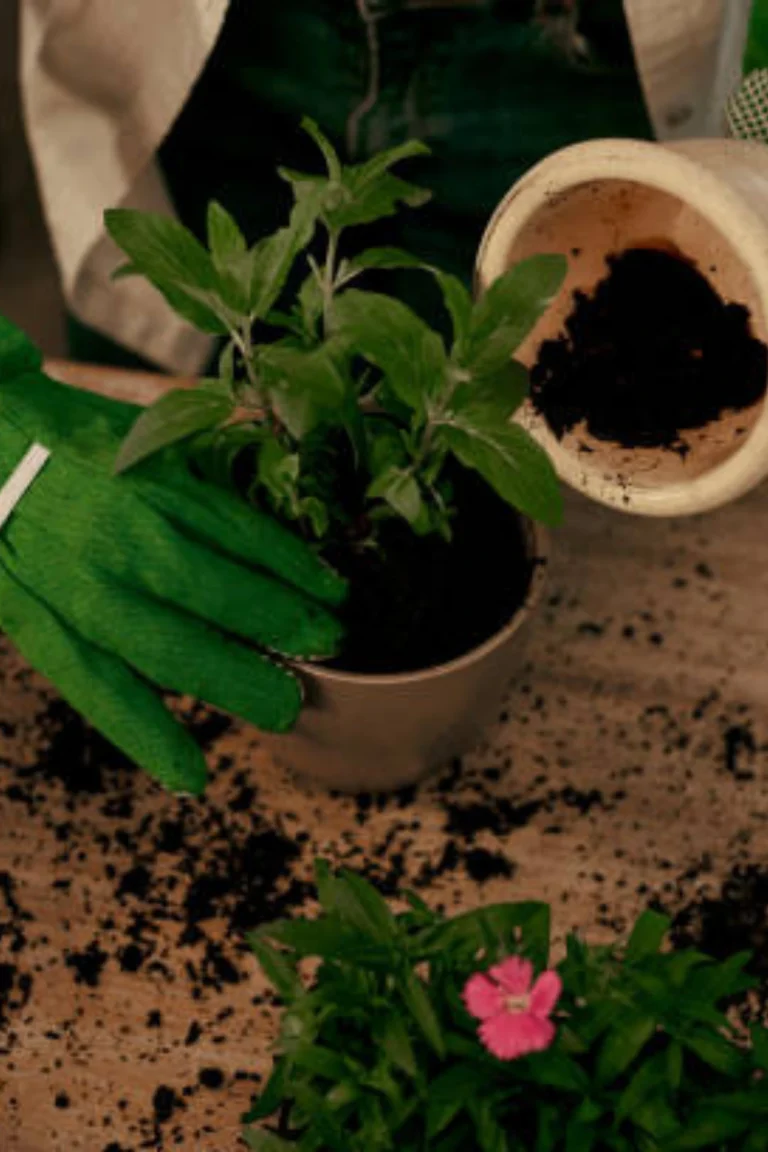
Potted plants dry faster but also suffer more from overwatering. Here’s the guide for this
Tips:
- Check soil moisture before watering
- Ensure pots have drainage holes
- Use light, airy potting mix
Indoor plants benefit greatly from controlled watering schedules.
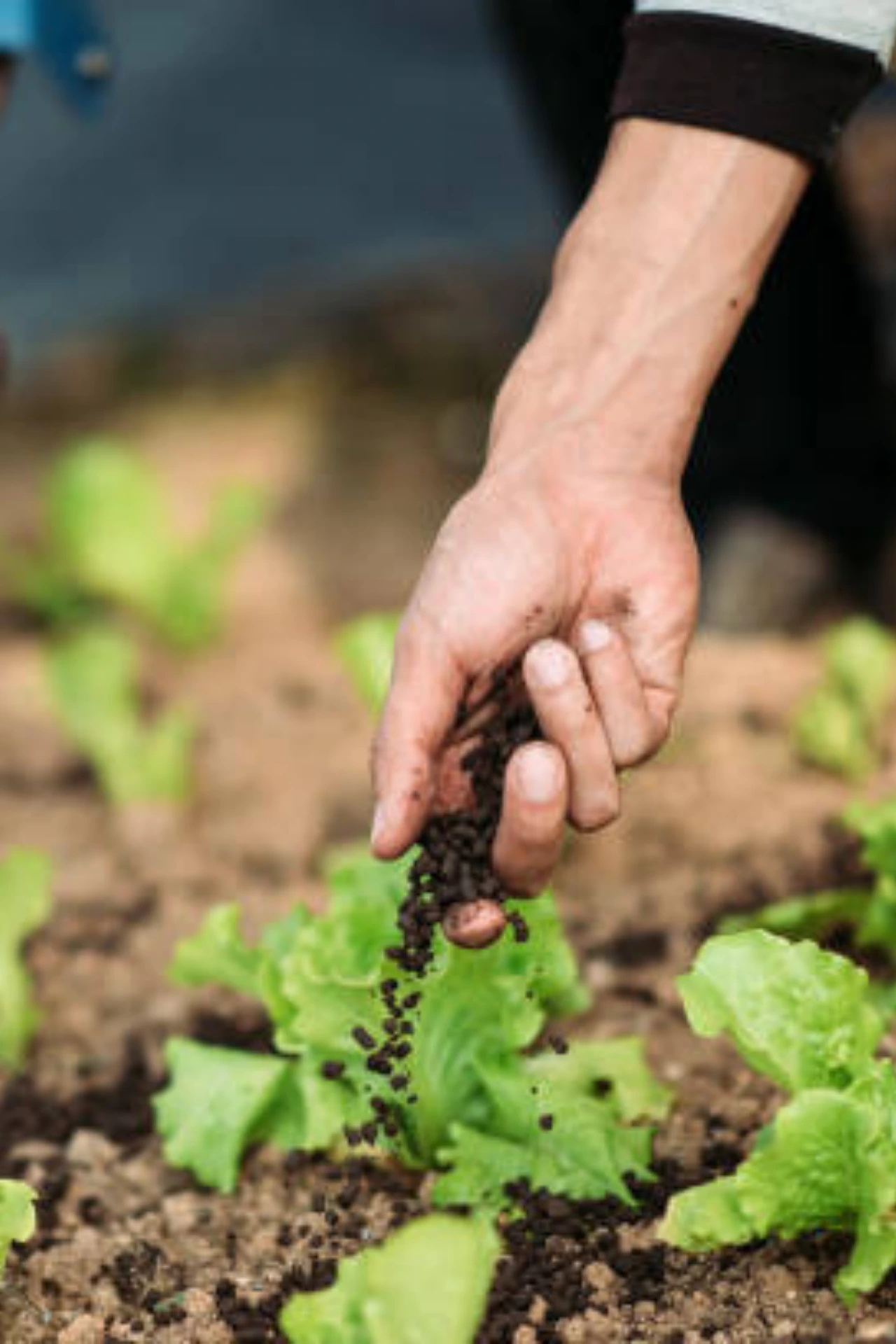
Fertilizing the Right Way to Reduce Pest Attacks
Over-Fertilization Attracts Pests
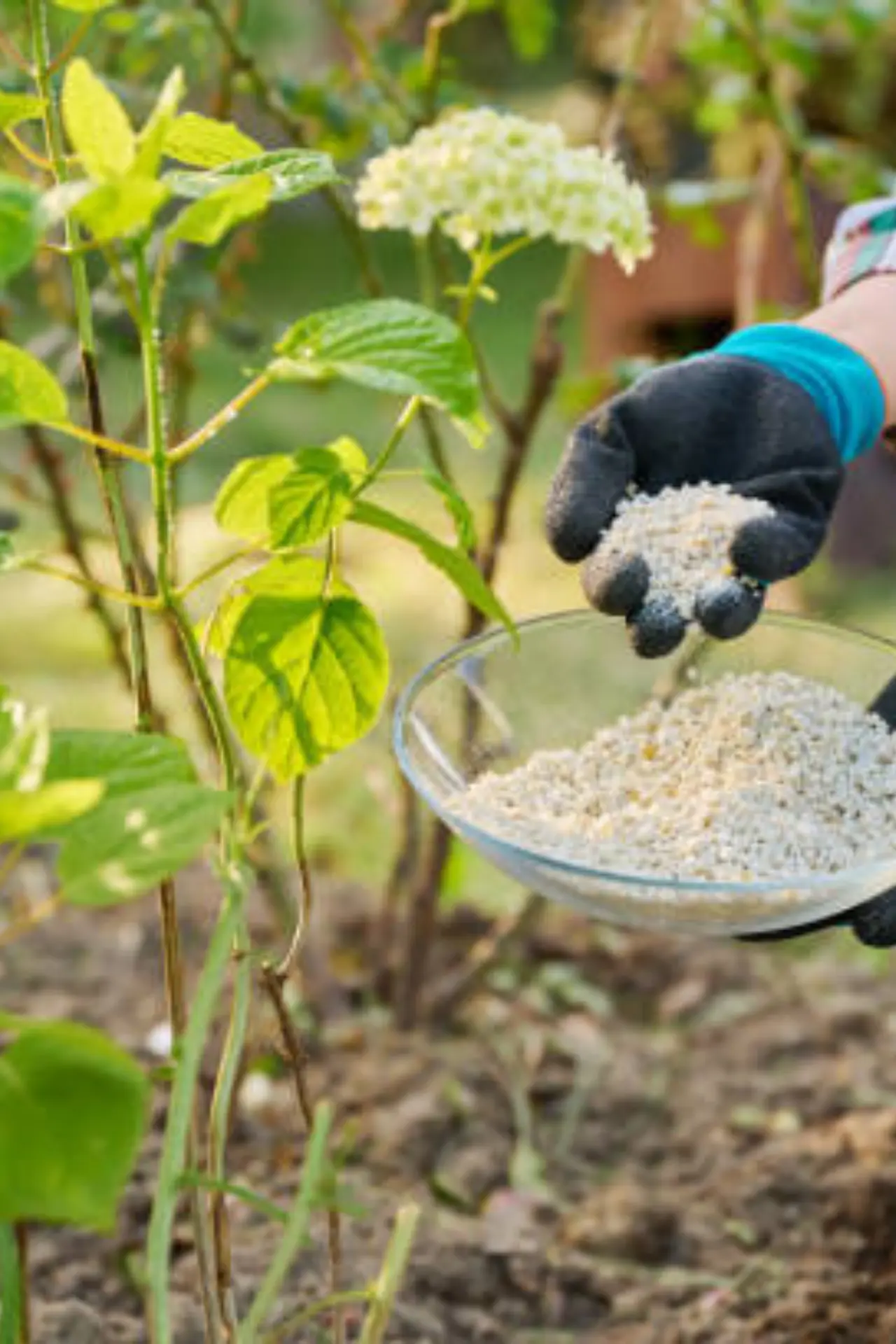
Excess nitrogen causes soft, leafy growth that attracts aphids, whiteflies, and caterpillars.
Common mistake:
- Using chemical fertilizer too frequently
Solution:
- Use balanced or organic fertilizers from SeedBeej.pk
Organic Fertilizers Improve Soil Immunity
Organic compost and fertilizers feed beneficial microbes that fight harmful pathogens and prevent plats.
Benefits:
- Improved soil structure
- Better nutrient retention
- Natural disease suppression
Compost, vermicompost, and organic fertilizers available at SeedBeej.pk are ideal for long-term plant health.
Fertilizing Schedule for Pakistani Gardens
General guideline:
- Vegetables: Every 2–3 weeks
- Flowering plants: Once a month
- Indoor plants: Every 4–6 weeks
Avoid fertilizing during extreme heat waves.
Watering and Fertilizing Balance for Common Plant Types
| Plant Type | Water Requirement | Fertilizer Needs | Care Tips |
|---|---|---|---|
| Vegetables | Moderate watering | High organic matter | Avoid excessive nitrogen for healthier growth and better yields. |
| Indoor Plants | Low to moderate watering | Mild liquid fertilizer | Ensure good drainage to prevent root rot. |
| Flowering Plants | Consistent moisture | Potassium-rich fertilizer | Promotes abundant blooms and healthy flowering. |
Soil Moisture Management to Prevent Soil Pests
Poor soil moisture creates ideal conditions for:
- Fungus gnats
- Root maggots
- Nematodes
Solutions:
- Use raised beds
- Add compost
- Improve aeration
Healthy soil discourages harmful insects.
Seasonal Watering and Fertilizing Tips in Pakistan
| Season | Watering Tips | Feeding Tips | Additional Care |
|---|---|---|---|
| Summer | Water early in the morning | Reduce fertilizer strength | Apply mulch to retain soil moisture |
| Monsoon | Improve drainage and avoid waterlogging | Avoid excessive liquid feeding | Monitor plants for fungal diseases |
| Winter | Reduce watering frequency | Apply minimal fertilizer | Protect roots from prolonged cold and wet conditions |
Frequently Asked Questions (FAQs)
Q1. Can overwatering cause pest problems?
Yes. Overwatering creates fungal diseases and attracts soil pests.
Q2. Is organic fertilizer better for pest control?
Yes. It improves soil health and strengthens plant immunity.
Q3.How often should I fertilize indoor plants?
Every 4–6 weeks using mild organic fertilizer.
Q4. Does poor drainage increase disease risk?
Absolutely. Poor drainage leads to root rot and fungal infections.
Q5. Can proper watering reduce pesticide use?
Yes. Healthy plants need fewer chemical treatments.
Final Thoughts
Correct watering and fertilizing are powerful tools in pest and disease control. Instead of relying heavily on pesticides, focus on strengthening plants from the root level. When soil, water, and nutrients are in harmony, plants naturally defend themselves.
We hope these watering and fertilizing tips help you grow healthier, pest-resistant plants with confidence.