SHOP BY CATEGORY
Powerful Soil And Compost Tips to Prevent Plant Pests and Diseases Naturally

Introduction
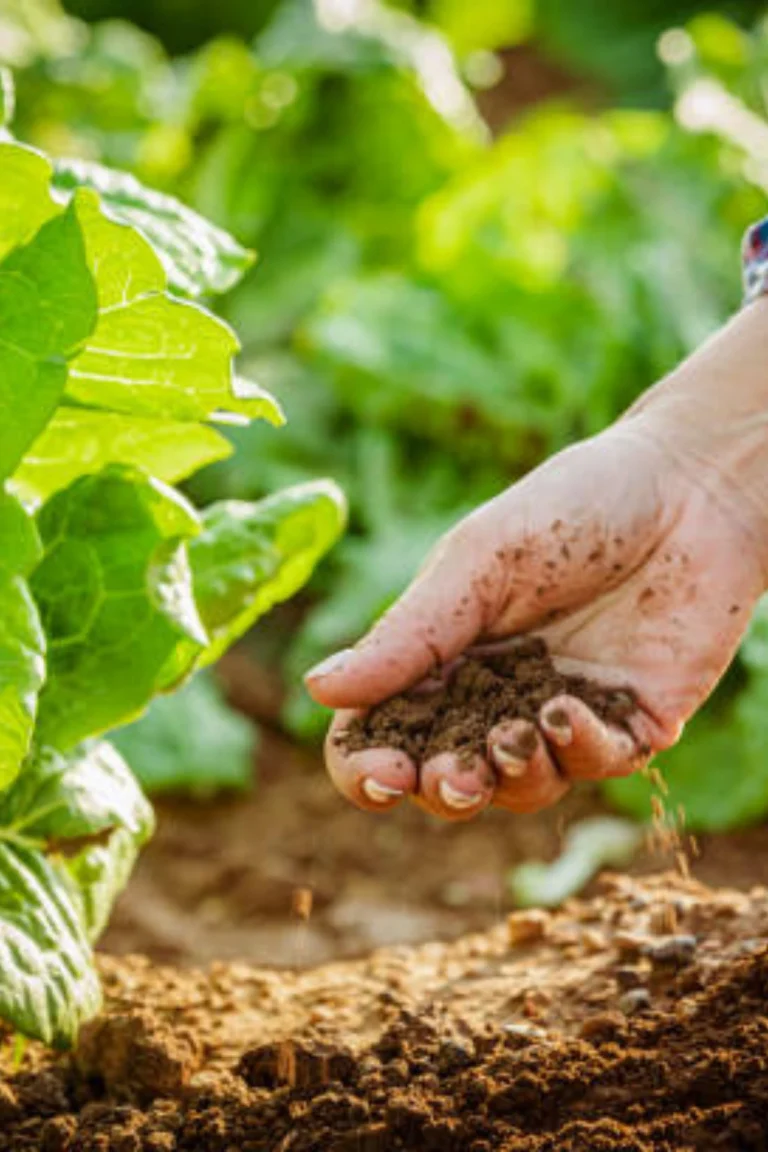
Healthy plants always start with healthy soil. In Pakistan’s climate—where heat, humidity, and monsoon rains create ideal conditions for pests and plant diseases—soil quality and compost management play a critical role in protecting your garden. Many gardeners focus on sprays and treatments, but the real solution often lies underground.
Soil And Compost Tips guide shares practical soil and compost tips that help prevent common plant pests and diseases naturally. Whether you grow vegetables, flowers, herbs, or indoor plants, improving your soil health can significantly reduce pest attacks and fungal problems—without relying on harsh chemicals.
Why Soil Health Matters in Pest & Disease Control
Weak soil leads to weak plants, and weak plants attract pests. Poor soil structure, lack of nutrients, and bad drainage make plants vulnerable to root rot, fungal infections, and insect infestations.
Healthy soil:
- Improves root strength
- Supports beneficial microorganisms
- Reduces stress-related pest problems
Using quality soil mixes and compost from SeedBeej.pk’s compost and soil category helps create a natural defense system for your plants.
.
Understanding Common Soil-Related Plant Diseases in Pakistan
Many plant diseases originate in the soil, especially during monsoon season.
Common issues include:
- Root rot due to waterlogged soil
- Fungal diseases caused by poor drainage
- Soil-borne pests like nematodes
Improving soil aeration and organic matter content helps reduce these problems before they appear.
How Compost Improves Natural Pest Resistance
Compost is not just fertilizer—it’s a soil conditioner that strengthens plants from the inside out.
Benefits of compost:
- Encourages beneficial bacteria and fungi
- Improves water retention without waterlogging
- Enhances nutrient availability
Plants grown in compost-rich soil develop stronger immune responses, making them less attractive to pests. Organic compost options from SeedBeej.pk → Compost & Soil Amendments are ideal for home gardeners.
Choosing the Right Soil Mix for Different Plants
Not all plants need the same soil. Using the wrong mix often leads to disease. That is why Soil And Compost Tips are important
Best practices:
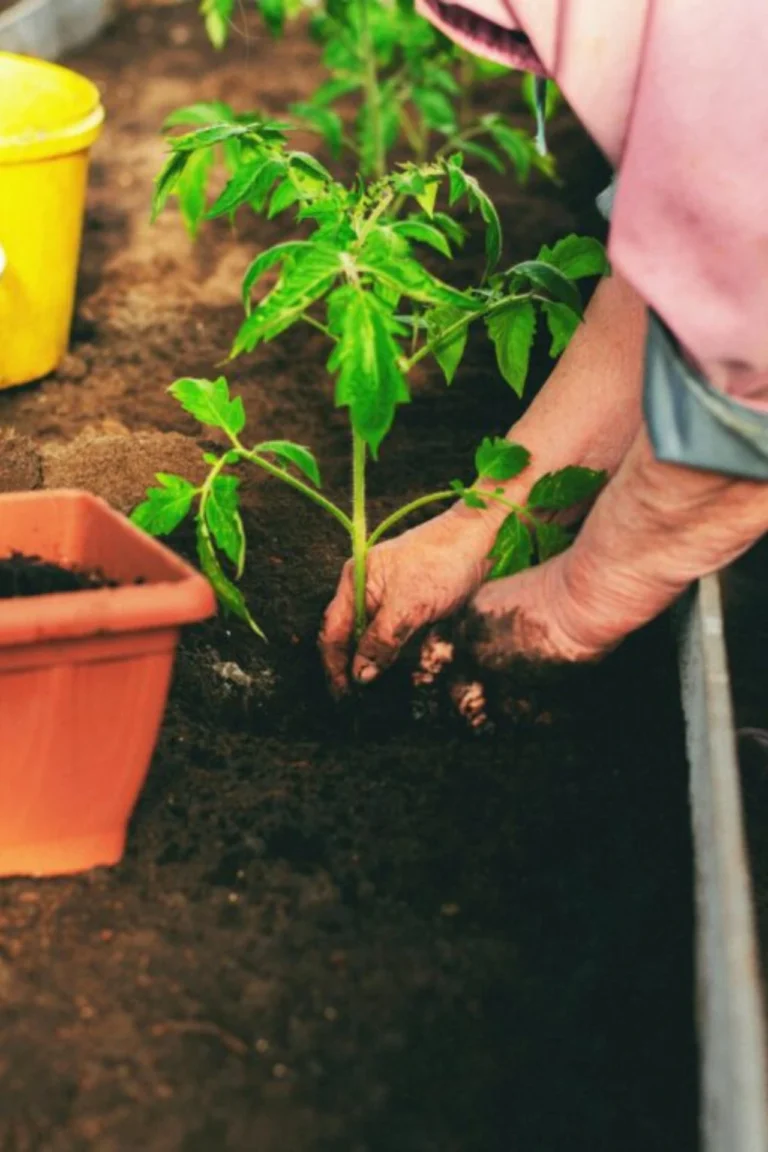
- Vegetables need loose, nutrient-rich soil
- Flowering plants prefer well-draining soil
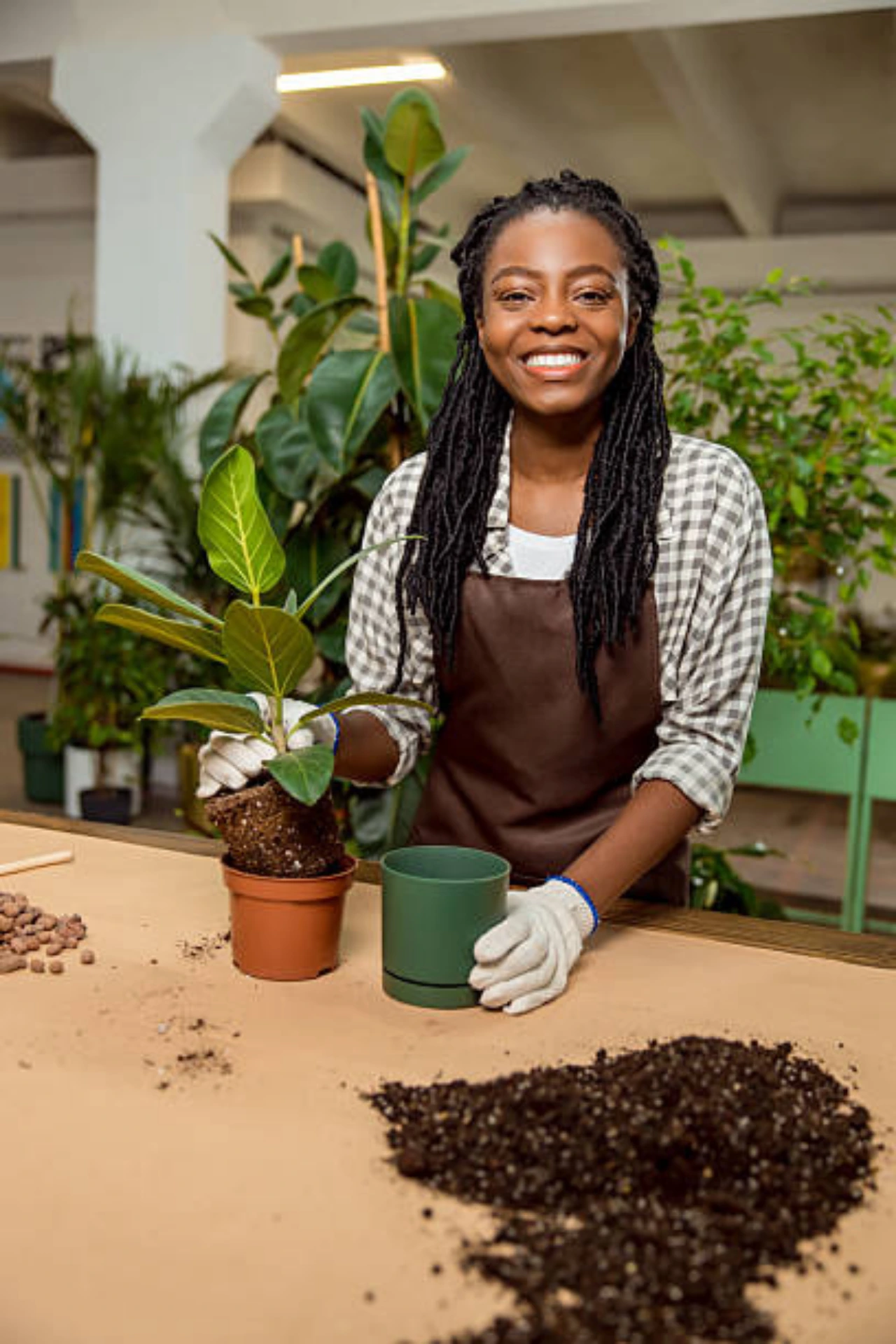
- Indoor plants require airy, lightweight mixes
Avoid using garden soil alone in pots—it compacts easily and traps moisture, increasing disease risk.
Drainage: The Most Ignored Soil Protection Tip
Poor drainage is one of the biggest causes of plant death in Pakistan.
Improve drainage by:
- Adding sand or coco peat to soil
- Using pots with proper drainage holes
- Elevating containers during heavy rains
Good drainage prevents fungal growth and discourages pests like fungus gnats.
Composting at Home for Disease-Free Gardening
Home composting allows you to control what goes into your soil.
Safe composting tips:
- Avoid diseased plant material
- Balance green (kitchen waste) and brown (dry leaves) matter
- Turn compost regularly to prevent odor and pests
Well-prepared compost improves soil life without introducing harmful pathogens.
How Healthy Soil Reduces the Need for Pesticides
Healthy soil creates a balanced ecosystem where pests struggle to survive.
- Beneficial microbes suppress harmful organisms
- Strong roots resist insect damage
- Balanced nutrients prevent pest-attracting stress
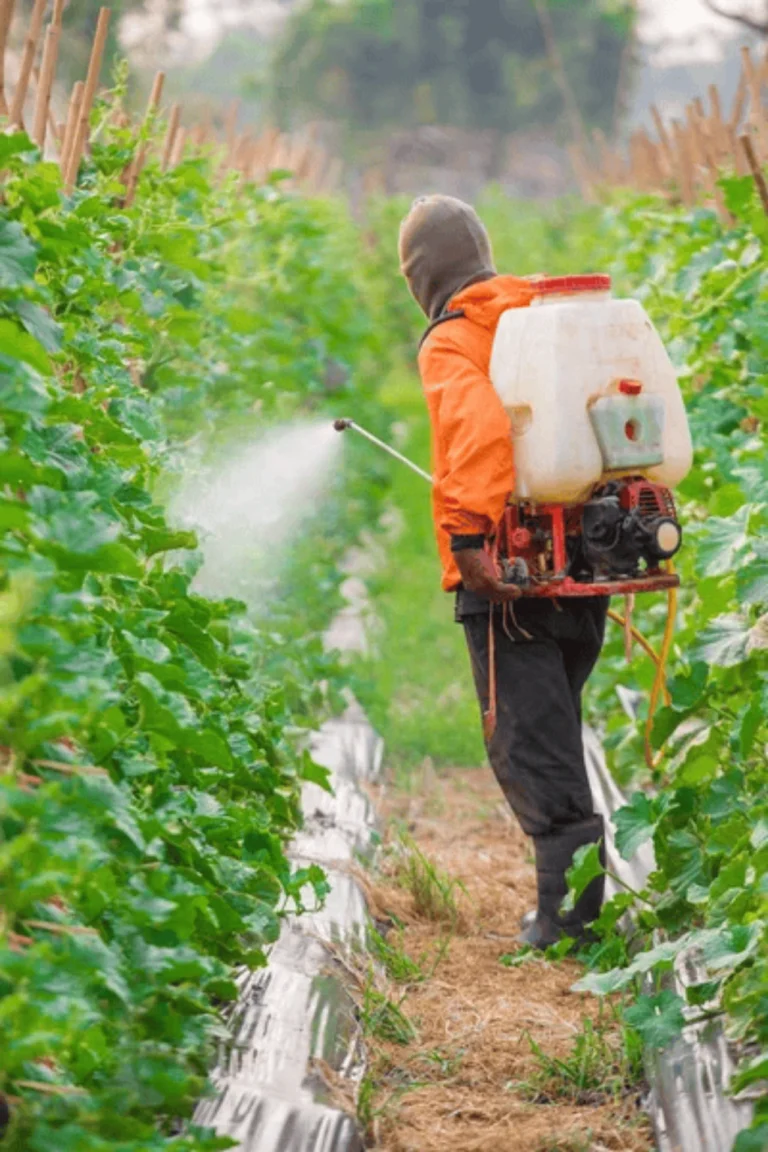
This reduces dependency on chemical pesticides, making your garden safer for children, pets, and pollinators.
Soil Maintenance Tips for Indoor Plants
Indoor plants are often more sensitive to soil issues.
Indoor soil care essentials:
- Replace soil every 12–18 months
- Avoid compacted potting mix
- Mix compost lightly instead of overfeeding
Clean, fresh soil prevents fungus gnats and root diseases indoors.
Seasonal Soil Care in Pakistan
Each season requires soil adjustments.
- Summer: Mulch soil to retain moisture
- Monsoon: Improve drainage and reduce compost quantity
- Winter: Light composting and minimal watering
Seasonal Soil And Compost Tips/care keeps pests and diseases under control year-round.
Key Soil & Compost Tips (Quick Takeaways)
- Healthy soil = fewer pests
- Compost improves plant immunity
- Drainage prevents fungal diseases
- Avoid overwatering compost-rich soil
- Use organic inputs consistently
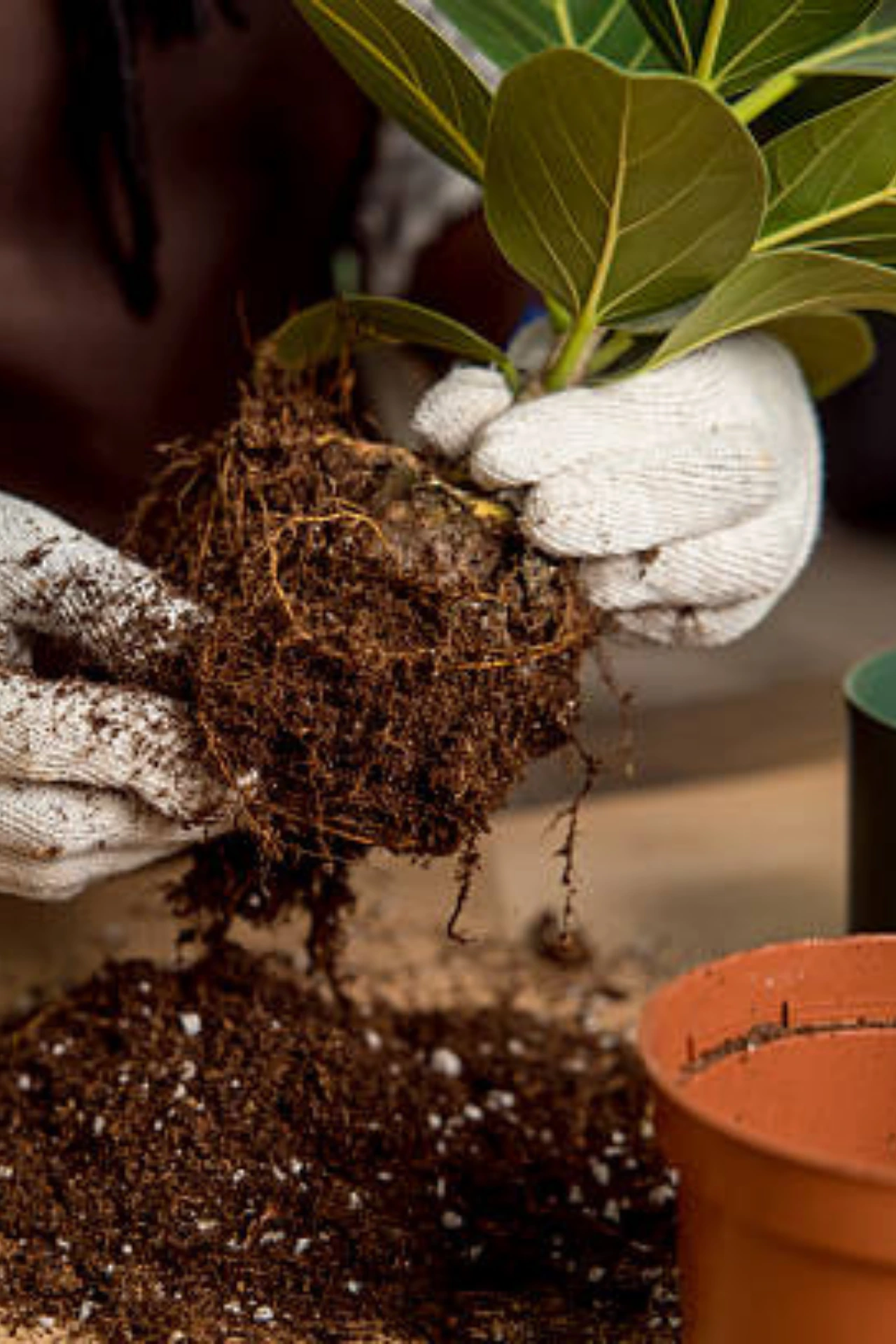
.
Frequently Asked Questions (FAQs)
Q1: Can bad soil cause pest infestations?
Yes. Weak soil leads to stressed plants, which attract pests easily.
Q2: How often should I add compost to soil?
Once every 4–6 weeks during the growing season is enough.
Q3: Is compost safe for all plants?
Yes, when used in moderation and properly decomposed.
Q4: Can compost replace pesticides?
Healthy compost reduces pest problems but may not eliminate severe infestations completely.
Q5: What is the biggest soil mistake gardeners make?
Overwatering poorly draining soil, especially during monsoon season.
Q6: Can indoor plants get diseases from soil?
Yes, contaminated or old soil can carry fungal spores and pests.
Conclusion
Strong plants don’t need constant treatments—they need strong soil. By improving soil structure, using quality compost, and maintaining proper drainage, gardeners in Pakistan can naturally reduce pests and plant diseases. Soil and compost (care) tips is a long-term investment that rewards you with healthier plants, better yields, and a safer garden environment.
For more you can visit our Face book page
.