🌿 Fresh Live Plants Delivered Safely | 🚚 Nationwide Delivery | 💳 Advance Payment Required for Plants, Liquids & Parcels over 3kg

Ultimate Guide to Homemade Fertilizers – DIY Organic Solutions for Pakistani Gardeners

Introduction:
More homeowners are growing their own veggies, fruits & indoor plants. And it’s awesome.
The real secret? It’s not just water + sunlight.
Strong roots and nutrient-rich soil = Healthy and Lush Green Garden.
Why homemade fertilizers are the best choice:
- Eco-friendly – No harsh chemicals
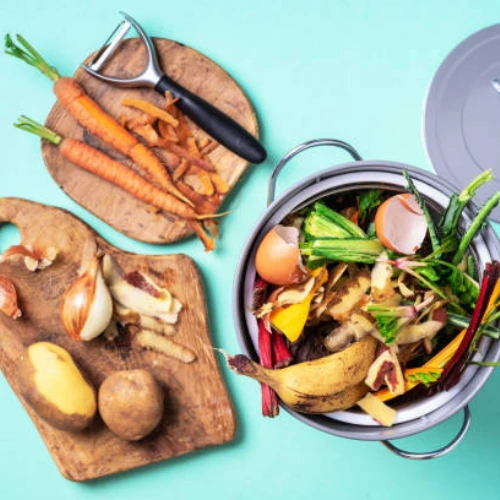
- Cheap – Use kitchen/garden waste
- Soil boosting – Feeds plants + keeps soil alive
- Better yield – Stronger growth, more harvest
And if you’d rather skip the DIY and go straight to feeding your plants, you can grab ready-made fertilizer from Seedbeej.pk too.
Why Homemade Fertilizers Are Essential for Your Garden
Homemade fertilizers just make sense for Pakistani gardens:
- Good for the earth: Less chemical runoff, more happy soil microbes
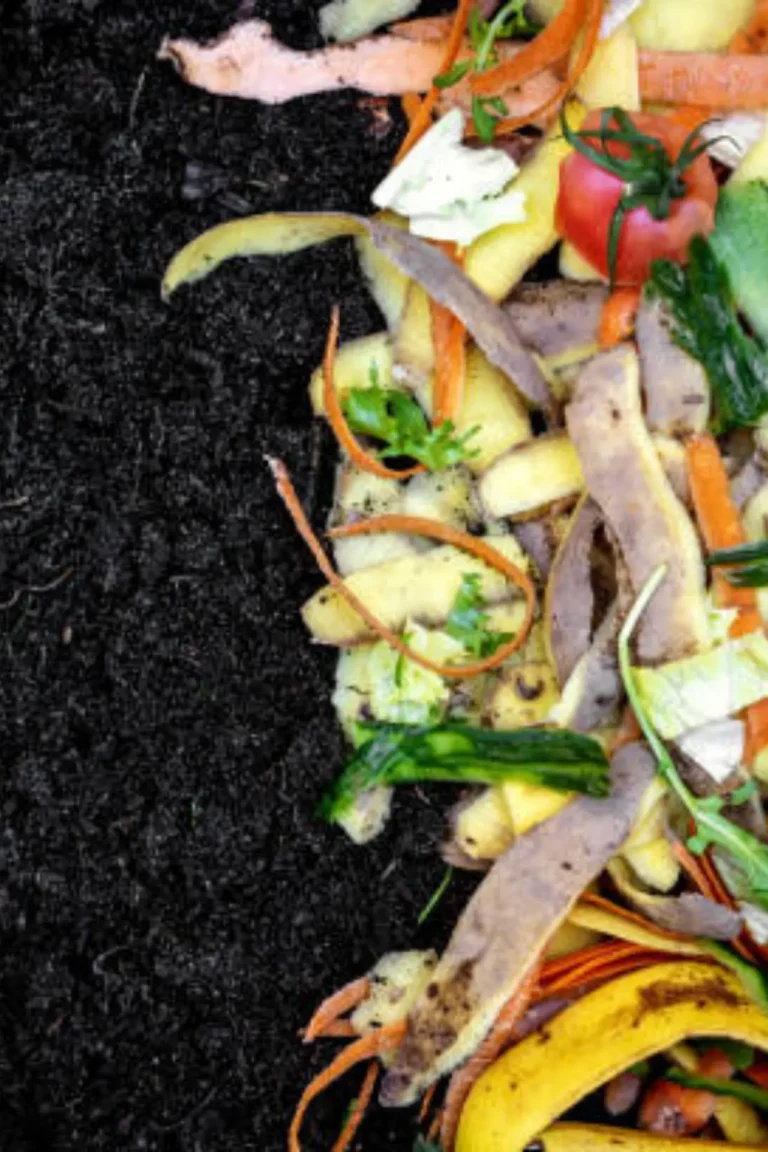
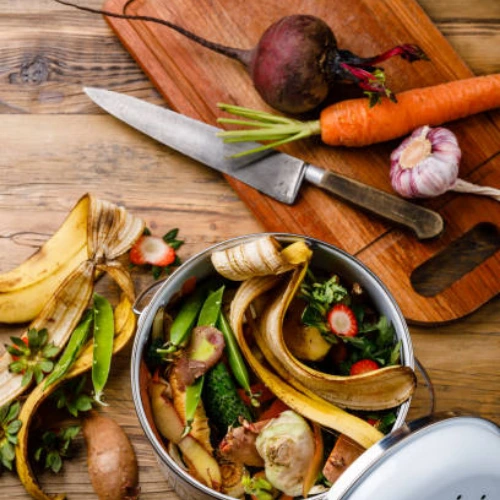
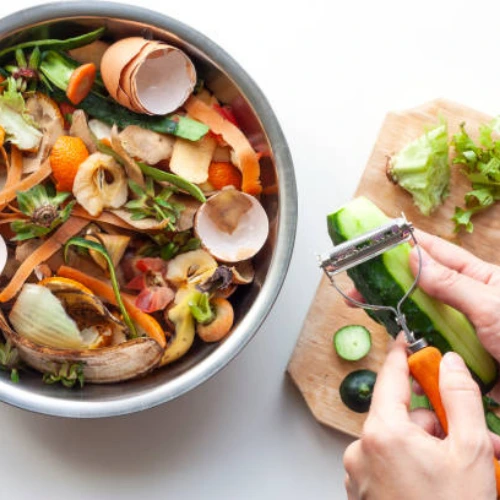
- Easy on wallet: Turn kitchen scraps + garden waste into plant food
- Made for your plants: Adjust recipes for veggies, fruits, or flowers
- Stronger roots: Organic matter keeps soil loose and holds water better
- Lasts longer: Builds soil health year after year, not just one season
Chemical fertilizers work fast. Homemade ones work smart.
Understanding Plant Nutrient Needs
Before preparing fertilizers, it’s important to understand what nutrients plants require:
- Nitrogen (N): For leafy growth + deep green leaves
- Phosphorus (P): Builds strong roots + more flowers
- Potassium (K): Better fruit, fights disease, handles stress
- Calcium, Magnesium, and Micronutrients: Strong cells, healthy chlorophyll, tougher plants
The good part? Homemade fertilizers let you balance these naturally using stuff you already have.
Types of Homemade Fertilizers
| Homemade Fertilizer | Main Nutrients/Benefits | How to Use |
|---|---|---|
| Compost Fertilizer | The all-rounder. Adds fertility + microbes + holds water | Spread 2-3 inches on soil, mix lightly, water well. |
| Compost Tea | Liquid boost, available nutrients and beneficial microorganisms. | Soak compost in water 24hrs, strain, pour around roots for quick nutrients. |
| Banana Peel Fertilizer | Potassium + phosphorus power. | Chop peels, bury near roots or toss in compost. Great for flowers + fruit. |
| Eggshell Powder | Calcium for strong roots + cell walls. | Dry, grind, sprinkle around plants monthly. |
| Coffee Grounds | Nitrogen + organic matter. | Sprinkle thin layer on soil and mix gently. Tomatoes love it. |
| Vermicompost | Worm gold. Packed with macro + micro nutrients. | Mix into potting soil or use as top dressing. |
| Green Manure | Grow a cover crop, then turn it into soil before flowering. | Adds nitrogen + organic matter naturally. |
Step-by-Step Guide for Applying Homemade Fertilizers
- Check soil first: Dig 1 inch down. If dry, water before feeding.
- Pick the right fertilizer: Leafy veggies need nitrogen, fruiting plants need potassium/phosphorus.
- Apply near roots, not on stems: Sprinkle or pour gently to avoid root damage.
- Water well after: Helps nutrients penetrate soil.
- Observe Growth: Check plant leaves, flowers, and roots every 2–3 weeks.
Do it once every 3-4 weeks for steady growth, not overnight miracles.
Why buy chemicals when [Plant Nutrients] turns kitchen waste into plant power? Better soil, healthier plants, lower cost.
DIY Fertilizers for Different Garden Types
| Garden Type | Recommended Fertilizers | Tips |
|---|---|---|
| Backyard Gardens | Compost, Banana peels, Vermicompost, Green manure | Mix compost + banana peels before planting. Add vermicompost monthly + green manure each season. |
| Container & Balcony Gardens | Compost tea, Coffee grounds, Eggshell powder, Banana peel fertilizer | Go light. Small pots need less. Make sure drainage is good so roots don’t rot. |
Seasonal Homemade Fertilizers
| Season | Recommended Fertilizers | Benefits |
|---|---|---|
| Summer | Compost tea, Coffee grounds, Vermicompost | Feeds leafy growth, holds moisture, helps plants handle heat |
| Winter | Banana peel fertilizer, Eggshell powder, Green manure | Slow-release nutrients, stronger roots, preps soil for next season |
Common Mistakes to Avoid
- Over-fertilizing: Burns roots, yellows leaves
- Poor drainage: Soggy soil = root rot
- Wrong pH: Aim for 5.5-6.5 or nutrients won’t absorb
- One fertilizer for all: Leafy vs fruiting plants need different food
Benefits of Homemade Fertilizers
- Stronger growth + more flowers: Plants get nutrients they actually use
- Better roots + tastier fruit: Calcium & potassium do the work
- Healthier solil: Improves texture, air flow, and fertility over time
- Eco + budget friendly: Less chemicals, more kitchen scraps