🌿 Fresh Live Plants Delivered Safely | 🚚 Nationwide Delivery | 💳 Advance Payment Required for Plants, Liquids & Parcels over 3kg

Hydroponics Basics– Expert Tips & Advanced Gardening for Pakistani Gardeners

Hydroponics Basics is a modern gardening technique that allows you to grow plants without soil, using nutrient-rich water solutions. With urbanization and limited garden space in cities like Lahore, Karachi, Islamabad, and Faisalabad, hydroponics has become a practical solution for home gardeners and commercial growers alike.
In this guide, we will cover hydroponic systems, nutrients, suitable crops, DIY setups, common mistakes, and advanced techniques tailored for Pakistani conditions.
1. What is Hydroponics?
Hydroponics is a method of growing plants without soil, using water mixed with essential nutrients. The plant roots absorb minerals and water directly, which often results in faster growth, higher yields, and healthier plants.
Why Hydroponics Basics Works in Pakistan:
- Limited garden space in urban areas.
- Water conservation: uses up to 70% less water than soil gardening.
- Reduced soil-borne diseases.
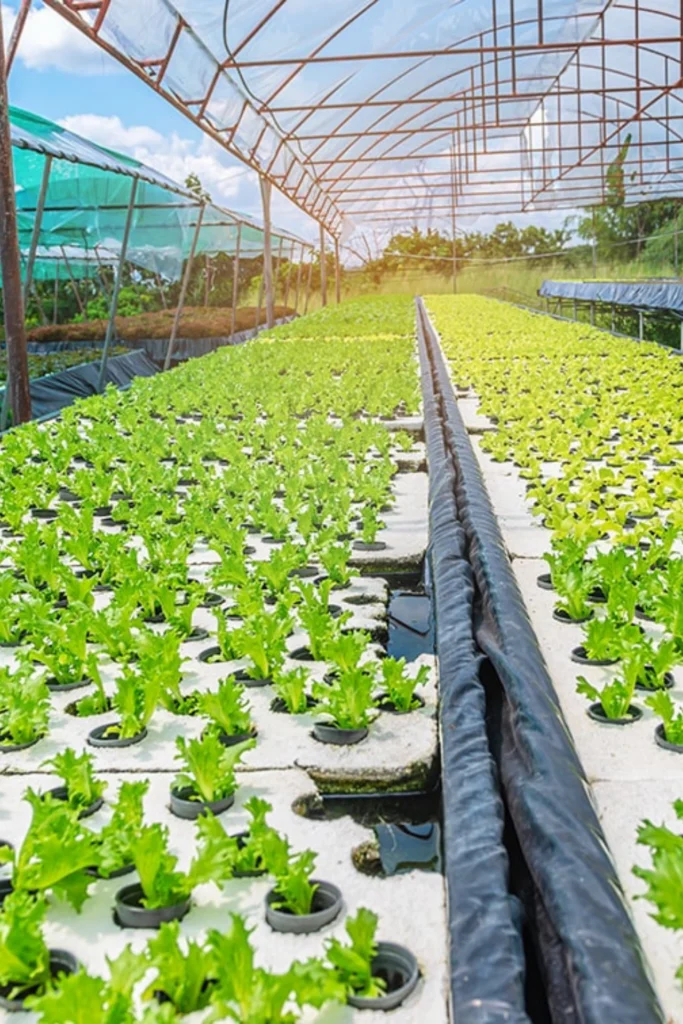
- Year-round cultivation possible, even in rooftop gardens or balconies.
2. Benefits of Hydroponics Basics Gardening
Hydroponic gardening has many advantages for Pakistani gardeners, from beginners to experts:
- Space-Efficient Gardening: Ideal for rooftops, balconies, and small indoor spaces.
- Faster Growth: Plants receive all essential nutrients directly.
- Higher Yields: More fruits and vegetables per square meter.
- Less Water Usage: Nutrient solutions recirculate, saving water.
- Year-Round Gardening: Control light, temperature, and nutrients.
- Reduced Pesticide Use: Soil-borne pests are minimized.
3.Types of Hydroponic Basics Systems
Choosing the right system is critical for success. Here are the most common hydroponic systems suitable for Pakistan:
1 Deep Water Culture (DWC)
- Method: Plants float in oxygenated nutrient solution.
- Best Crops: Lettuce, spinach, fenugreek, mint.
- Advantages: Simple to set up, low maintenance.
- DWC hydroponics Pakistan, deep water culture vegetables.
2 Nutrient Film Technique (NFT)
- Method: Thin film of nutrients flows over roots continuously.
- Best Crops: Herbs and small leafy vegetables.
- Advantages: Efficient nutrient use, perfect for vertical setups.
- NFT hydroponics Pakistan, nutrient film technique Pakistan.
3 Drip System
- Method: Nutrient solution drips to roots via tubes.
- Best Crops: Tomatoes, cucumbers, peppers.
- Advantages: Controlled feeding, ideal for larger crops.
- hydroponic drip system Pakistan, tomato hydroponics.
4 Wick System
- Method: Wicks transfer nutrient solution from a reservoir to roots.
- Best Crops: Herbs, small indoor plants, seedlings.
- Advantages: No pumps needed, beginner-friendly.
- wick hydroponics Pakistan, easy hydroponics setup.
4. Essential Hydroponics Basics Requirements
A successful hydroponics setup depends on several factors:
1 Nutrient Solution
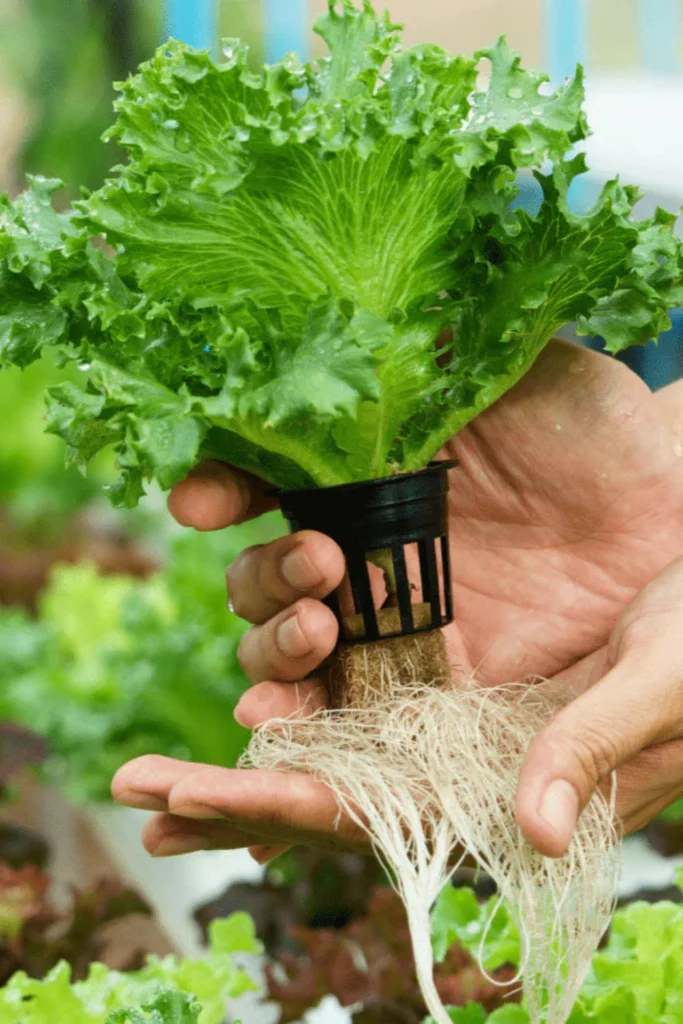
Plants need a balanced mix of nitrogen, phosphorus, potassium, calcium, magnesium, and micronutrients. In Pakistan, these nutrients can be purchased as hydroponic fertilizers or mixed DIY using urea, superphosphate, and potassium salts.
2 Water Quality
- Use clean, filtered water.
- Maintain pH between 5.5–6.5 for optimal nutrient absorption.
- Electrical Conductivity (EC) should be monitored to ensure proper nutrient strength.
3 Oxygenation
Oxygen is vital for root health. Use air pumps or diffusers to prevent root suffocation and increase nutrient uptake.
4 Light
- Outdoors: Ensure at least 6–8 hours of sunlight daily.
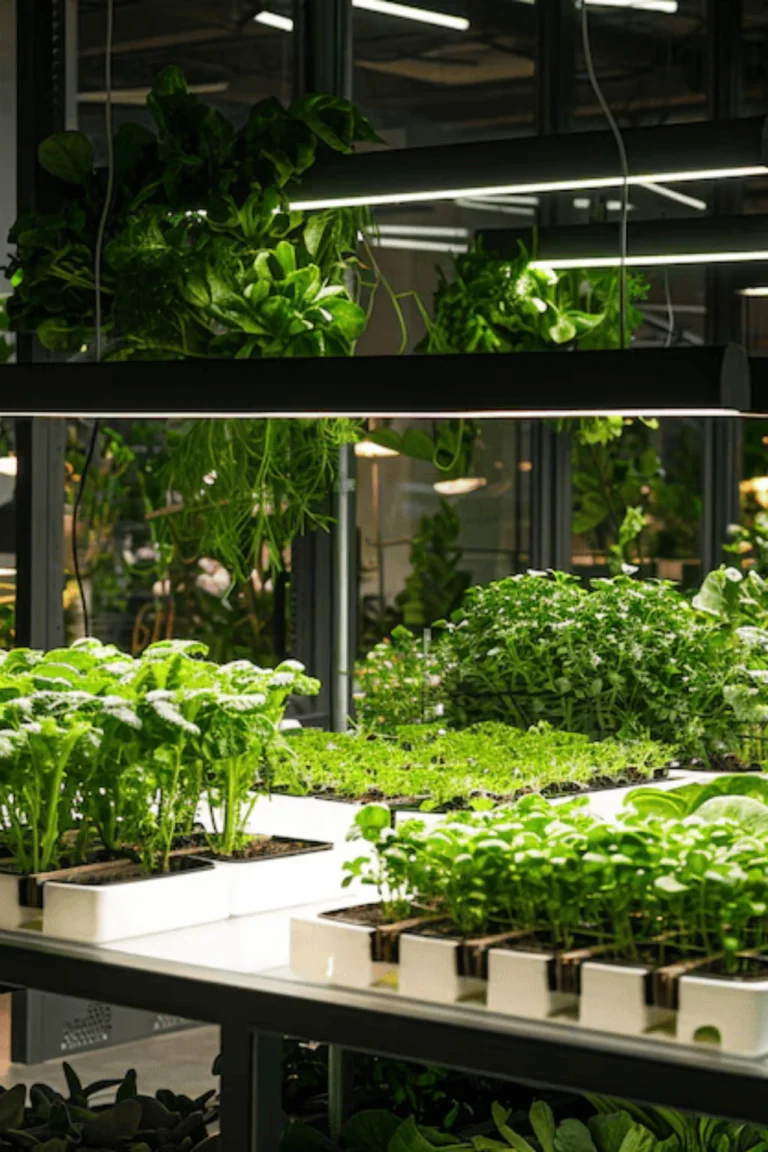
- Indoors: Use LED grow lights for 12–16 hours daily.
5 Support Medium
Although soil isn’t used, plants need support. Common mediums include:
- Coco coir
- Perlite
- Rockwool
- Clay pebbles
hydroponic nutrients Pakistan, hydroponic water solution, indoor hydroponics lights Pakistan, hydroponic growth medium.
5. Best Hydroponic Basics Plants for Pakistan
Hydroponics can grow almost any plant, but some thrive particularly well in local conditions:
- Leafy Greens: Lettuce, spinach, fenugreek, kale
- Herbs: Mint, coriander, basil
- Vegetables: Tomatoes, cucumbers, bell peppers
- Fruits: Strawberries (small-scale)
Tips: Start with easy crops like leafy greens and herbs before moving to heavier crops like tomatoes or strawberries.
6. DIY Hydroponics Basics Setup for Pakistani Homes
Creating a home hydroponics system in Pakistan can be affordable and rewarding.
Materials Needed
- Plastic containers or barrels for reservoirs
- Net pots or small baskets
- Air pump and air stones
- Tubes for drip or NFT systems
- Hydroponic nutrient solution
- Support medium (coco coir, perlite, rockwool)
- pH meter and EC meter
You can get every thing from SeedBeej-Garden Accessories
Step-by-Step Guide
- Choose the System: Start with a DWC or wick system for simplicity.
- Prepare Reservoir: Fill with water and mix nutrient solution according to instructions.
- Place Support Medium: Place plants in net pots with medium.
- Install Oxygenation: Use air pump to oxygenate nutrient solution.
- Monitor Daily: Check water levels, pH, and EC daily.
- Harvest: Leafy greens may be ready in 3–4 weeks; herbs in 4–6 weeks.
7. Common Mistakes in Hydroponics
- Ignoring pH and nutrient monitoring – leads to nutrient deficiencies.
- Overcrowding plants – reduces oxygen and sunlight exposure.
- Using untreated tap water – may contain harmful minerals.
- Neglecting oxygenation – roots may rot without proper air supply.
- Skipping cleaning – algae and bacteria growth can damage crops.
8. Advanced Hydroponics Techniques
For experienced gardeners, advanced methods can improve productivity:
- Vertical Hydroponics: Ideal for rooftops or limited spaces.
- Aeroponics: Roots are suspended in air and misted with nutrient solution.
- Automated Hydroponics: Sensors and timers for pH, EC, and nutrient control.
- Integrated Pest Management (IPM): Minimal chemical use, organic-friendly solutions.
9. Hydroponics Basics for Commercial Gardening in Pakistan
Hydroponics is not just for hobbyists. Many Pakistani farmers and urban entrepreneurs are exploring commercial hydroponics for vegetables and herbs:
- Advantages: Year-round production, higher market value, reduced pesticide usage.
- Popular Crops: Leafy greens, strawberries, cherry tomatoes, mint.
- Investment Tips: Start small, scale gradually, use locally available materials.
10. Final Tips for Pakistani Gardeners
- Start small – master leafy greens before moving to fruits or large vegetables.
- Regularly monitor pH, EC, and water temperature.
- Use locally sourced hydroponic nutrients when possible.
- Maintain cleanliness to prevent algae, bacteria, or root rot.
- Document your growth cycles – track what works for your local climate.
Hydroponics is a rewarding soil-less gardening solution that can transform urban gardening in Pakistan. With proper care, even beginners can enjoy fresh, organic vegetables and herbs all year round.
Frequently Asked Questions (FAQs) – Hydroponics Pakistan
1. What is hydroponics gardening?
Answer: Hydroponics gardening is a method of growing plants without soil, using nutrient-rich water solutions. Plants receive all essential minerals directly from water, which often results in faster growth and higher yields compared to traditional soil gardening.
2. Can I do hydroponics at home in Pakistan?
Answer: Yes! Home hydroponics is ideal for urban gardeners in Pakistan. You can set up simple systems like Deep Water Culture (DWC) or wick systems on rooftops, balconies, or even indoors using containers, net pots, and nutrient solutions.
3. What are the best plants for hydroponics in Pakistan?
Answer: Leafy greens like lettuce, spinach, and fenugreek, herbs like mint and coriander, and vegetables like tomatoes, cucumbers, and bell peppers grow well. Small fruits like strawberries can also be cultivated on a small scale.
4. How much space do I need for a hydroponic Basics system?
Answer: Hydroponics is very space-efficient. Even a small balcony or rooftop area can support a compact DWC or NFT system. Vertical hydroponics allows you to grow more plants in a limited area.
5. What nutrients do hydroponic plants need?
Answer: Hydroponic plants require a balanced mix of nitrogen, phosphorus, potassium, calcium, magnesium, and micronutrients. These can be purchased as pre-made hydroponic fertilizers or mixed DIY using locally available ingredients.
6. Do I need sunlight for hydroponic gardening?
Answer: Yes. Hydroponic plants need at least 6–8 hours of sunlight daily for outdoor systems. For indoor setups, LED grow lights can provide sufficient light for photosynthesis and growth.
7. How often should I check water and nutrient levels?
Answer: Water levels, pH, and Electrical Conductivity (EC) should be checked daily. Proper monitoring ensures plants receive adequate nutrients and prevents deficiencies or toxicity.
8. Is hydroponics expensive in Pakistan?
Answer: Hydroponics can be started affordably with simple systems like wick or DWC using locally available containers and nutrients. Advanced systems with pumps, timers, and sensors may cost more but offer higher efficiency and yields.
9. Can hydroponics be used commercially in Pakistan?
Answer: Yes. Many urban farmers and entrepreneurs are using hydroponics commercially to grow vegetables, herbs, and strawberries year-round. It allows for higher yields, faster growth, and premium-quality crops.
10. What are common mistakes beginners make in hydroponics?
Answer: Common mistakes include ignoring pH and nutrient levels, overcrowding plants, using untreated tap water, poor oxygenation, and skipping regular cleaning. Proper monitoring and maintenance are key to success.
Foe more Follow SeedBeej.pk’s-Facebook

I need information about nutrition and is this possible to start in northern area in Pakistan