🌿 Fresh Live Plants Delivered Safely | 🚚 Nationwide Delivery | 💳 Advance Payment Required for Plants, Liquids & Parcels over 3kg

🌿 Expert Tips & Advanced Gardening: Pruning & Propagation – Boost Your Plant Health & Growth

Introduction
Pruning & propagation are essential gardening techniques that every gardener in Pakistan should master. Whether you have a home garden, indoor plants, or a rooftop garden, knowing how to prune correctly and propagate effectively can dramatically improve your plant health, yield, and aesthetics.
Pruning removes dead or overcrowded branches, improves air circulation, encourages flowering and fruiting, and prevents pest infestations. Propagation allows you to multiply your favorite plants, saving money while creating a lush garden.
At SeedBeej.pk, we provide a variety of plants, seeds, fertilizers, compost, and tools that can support your pruning and propagation projects. This guide covers step-by-step techniques, seasonal tips, and expert advice tailored for Pakistani gardeners.
Understanding Pruning: Why It Matters
Pruning is more than cutting branches; it is a science that improves plant growth and productivity. Proper pruning can:
- Remove dead or damaged branches
- Improve sunlight penetration and air circulation
- Encourage stronger stems and more flowers/fruits
- Reduce disease and pest infestation
Types of Pruning:
- Maintenance pruning – Remove dead or weak growth regularly.
- Shaping pruning – Maintain the desired plant shape for aesthetics.
- Rejuvenation pruning – Encourage growth in old or overgrown plants.
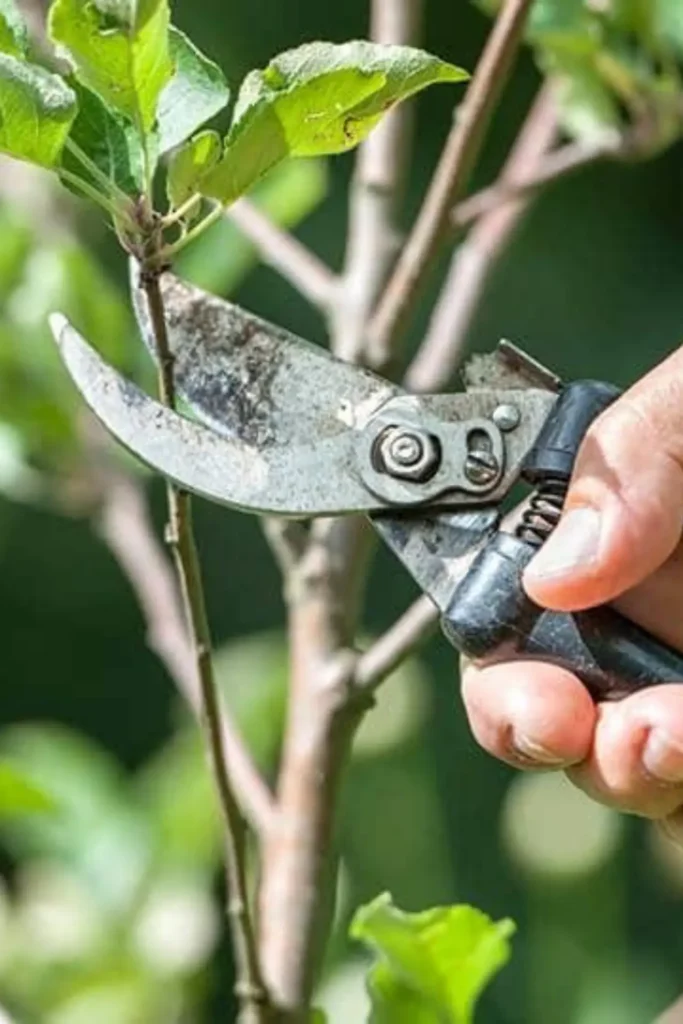
Best Tools for Pruning & Propagation
Using the right tools ensures clean cuts, preventing damage or infection.
- Pruning Shears: Ideal for small branches and stems.
- Loppers: Best for medium branches up to 2 inches thick.
- Pruning Saws: Required for thick or woody branches.
- Rooting Hormone: Supports successful propagation of cuttings.
When and How to Prune Your Plants
Pruning time depends on the type of plant:
- Flowering plants: Prune after blooming to encourage new flowers.
- Fruit plants: Prune during dormancy for better fruit production.
- Indoor plants: Regularly trim overgrown stems to improve growth.
Step-by-Step Pruning Guide:
- Identify dead, damaged, or diseased branches.
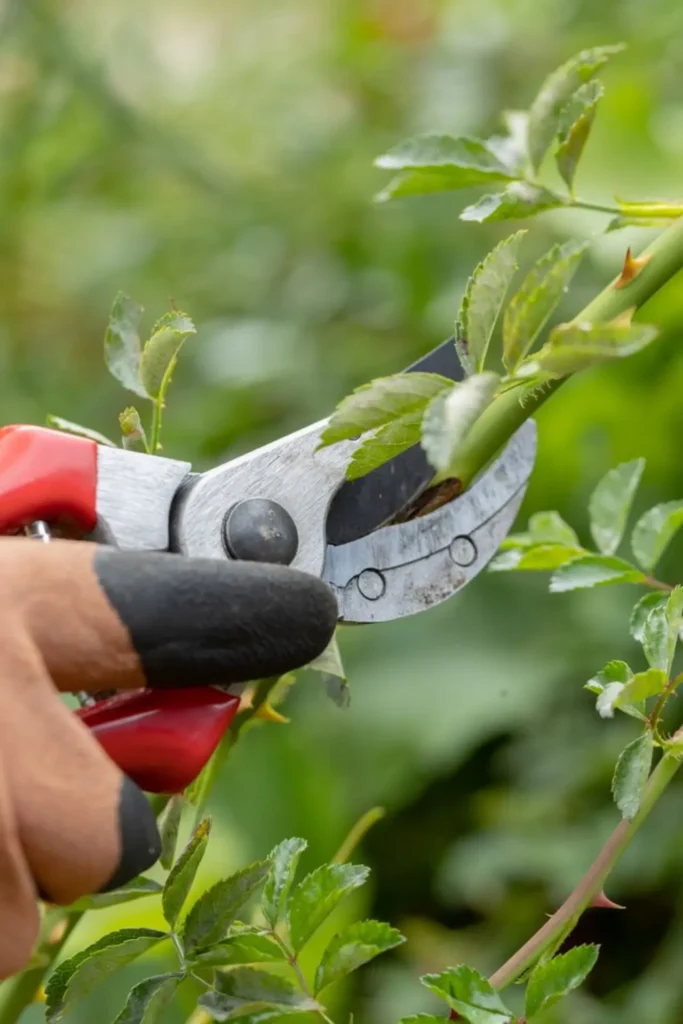
- Cut at a 45-degree angle to prevent water accumulation.
- Do not remove more than 25–30% of total growth at once.
- Disinfect tools between cuts to prevent disease.
Propagation Methods for Pakistani Gardeners
Propagation allows gardeners to multiply plants without buying new seeds. Main methods include:
1 Stem Cuttings
- Cut healthy stems from a parent plant.
- Dip the cut end in rooting hormone.
- Plant in a well-draining medium (cocopeat or perlite).
- Keep soil moist until roots form.
2 Leaf Cuttings
- Common for succulents and indoor plants.
- Take a healthy leaf, let it dry for a day, then plant in medium.
- Avoid overwatering; roots develop in 2–4 weeks.
3 Layering
- Bend a low branch to the ground and cover with soil.
- Roots develop while still attached to the parent plant.
- Once rooted, cut the new plant from the parent.
4 Division
- Ideal for plants with clumping roots (e.g., ginger, mint, ornamental grasses).
- Separate the clumps and replant individually.
Seasonal Pruning & Propagation Tips
- Spring: Best for rejuvenation pruning and propagating leafy plants.
- Summer: Light maintenance pruning for flowering plants.
- Monsoon: Avoid heavy pruning; focus on plant health and disease prevention.
- Autumn/Winter: Ideal for fruit trees and shrubs; prepare cuttings for indoor propagation.
Common Mistakes to Avoid
- Cutting too much at once – weakens plants.
- Using dull or unclean tools – increases infection risk.
- Pruning at the wrong season – reduces flowering or fruiting.
- Overwatering after propagation – roots may rot.
Aftercare for Pruned & Propagated Plants
- Apply organic fertilizers to encourage recovery.
- Water moderately and provide proper light.
- Monitor for pests and diseases.
- For propagated plants, avoid direct sunlight until roots are established.
Advanced Pruning Techniques
- Crown Thinning: Improves airflow and sunlight penetration in large trees.
- Heading Back: Shortens branches to encourage bushy growth.
- Topiary & Shaping: Artistic pruning for decorative plants.
FAQs – Pruning & Propagation
Q1. Can I propagate any plant from cuttings?
A: Not all plants root easily; woody plants may need layering or division, while soft-stemmed plants root faster.
Q2. How often should I prune indoor plants?
A: Light pruning every 2–3 months keeps plants healthy and prevents overcrowding.
Q3. Can I use home compost for propagated plants?
A: Yes, organic compost from SeedBeej.pk improves soil structure and provides nutrients for young plants.
Q4. Do I need rooting hormone for all propagation methods?
A: No, it’s optional but recommended for faster root development in stem cuttings.
Q5. When is the best time to prune fruit trees in Pakistan?
A: Late winter or early spring is ideal for most fruit trees before active growth starts.
Conclusion
Pruning and propagation are powerful gardening techniques that every Pakistani gardener should master. By trimming, shaping, and multiplying plants, you can maintain healthier, more productive gardens with fewer pests and higher yields.
Use SeedBeej.pk tools, seeds, compost, and fertilizers to support your gardening journey, whether indoors or outdoors. With proper care and seasonal planning, your garden can thrive year-round!
wish you all the best
wish you best and best