🌿 Fresh Live Plants Delivered Safely | 🚚 Nationwide Delivery | 💳 Advance Payment Required for Plants, Liquids & Parcels over 3kg

Composting at Home in Pakistan (DIY & Organic Solutions)

Introduction
Composting at home is so much fun for gardeners. Instead of throwing our food scraps, peels, and leftover veggies and fruits in the trash, we can turn them into compost. It feeds our favorite plants naturally. That way they stay healthy, fight off diseases, and don’t need harsh chemicals.Let’s learn practical, realistic composting methods that actually work in Pakistan’s climate with SeedBeej.pk
Start small, use what you have at home, and watch your soil come alive. Your plants will thank you
Why Composting at Home Is a Game‑Changing Gardening Habit
Composting at home is basically turning your everyday kitchen scraps and garden waste into free, nutrient-rich fertilizer. And in Pakistan’s soil, it’s a game-changer. Compost helps the soil hold more water, loosens it up so roots can breathe, and brings in good microbes that keep plants strong.
The best part?
- Your plants grow healthier with stronger roots
- You stop relying so much on chemical fertilizers
- Plants handle pests and fungus way better
- And your gardening costs go down
Organic compost works really well with veggies, flowers, indoor plants, and fruit plants. You can grab all the seeds and plants for it at SeedBeej.pk.
What Can You Compost at Home?
Understanding what goes into your compost bin is the foundation of successful composting.
Green Waste (Nitrogen‑Rich)
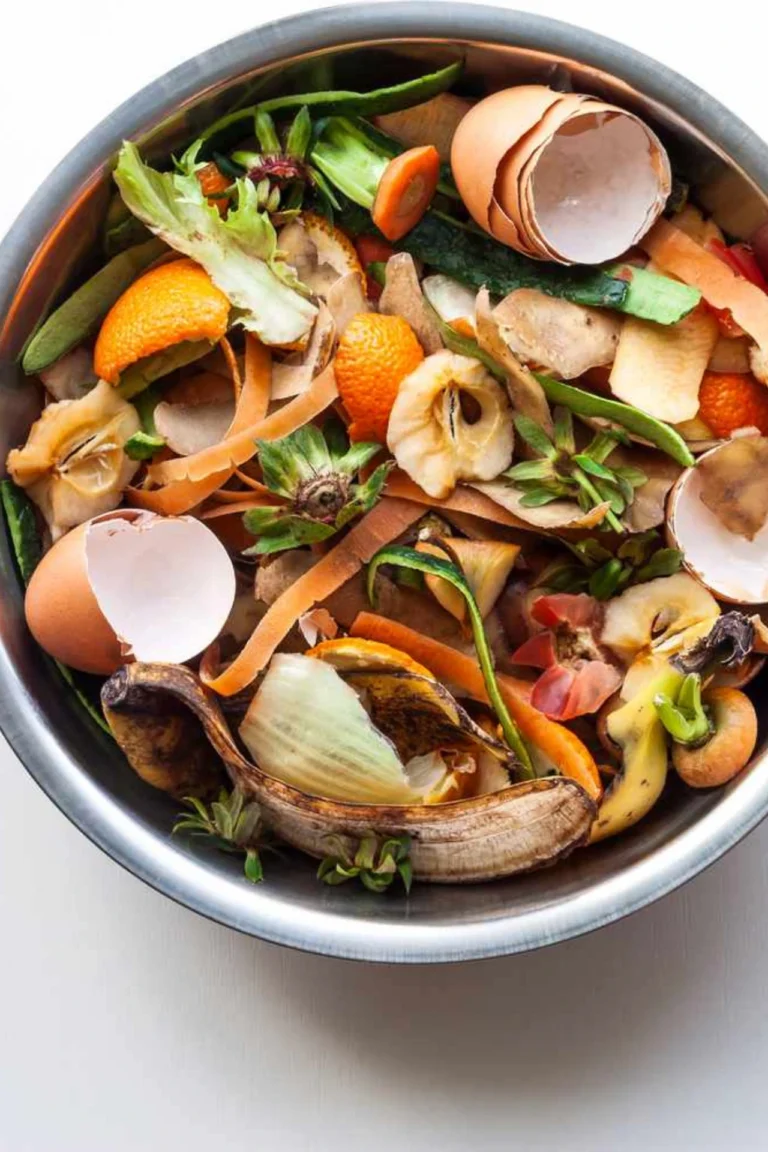
- Vegetable and fruit peels
- Tea leaves and coffee grounds
- Fresh grass clippings
- Plant trimmings
Brown Waste (Carbon‑Rich)
- Dry leaves
- Cardboard and paper (shredded)
- Straw or dry grass
- Egg cartons
Maintaining a balance between green and brown waste helps prevent bad odor and speeds up decomposition.
Easy DIY Composting at Home Methods for Pakistani Homes
1. Bucket Composting (Best for Apartments)
This is what most people in apartments use. Take any old plastic bucket, make a few holes in it so air can get in. Start adding your kitchen peels and veggie scraps. Throw in some dry leaves or paper too, that’s the “brown” stuff. Put a handful of soil on top and mix it up once every week. Don’t overthink it.
2. Pit Composting (Ideal for Home Gardens)
No bucket, no garden? Use a big gamla. Layer your kitchen waste with garden soil right inside the pot. Once it turns into compost, you can plant in that same pot. Super handy for indoor plants and balcony gardening.
3. Pot Composting for Small Spaces
You can compost directly in large pots by layering organic waste and garden soil. This compost can later be used for container gardening and indoor plants.
Composting Timeline: How Long Does It Take?
The good thing about our warm climate? Compost breaks down way faster here than in cold countries.
- Summer: 30–45 days
- Spring/Autumn: 45–60 days
- Winter: 60–90 days
One trick:
turn your compost every 7-10 days. It adds air and makes the whole thing speed up.
Common Composting Problems and Simple Fixes
Bad Smell
That usually means too much kitchen waste or no air. Just throw in some dry leaves or torn paper, then mix it well. Smell gone.
Compost Too Dry
Flies love exposed food scraps. Always cover fresh kitchen waste with a layer of soil or dry leaves. That keeps bugs away.
Pests in Compost
Always cover kitchen waste with soil or dry leaves. This reduces flies and insects.
How to Use Homemade Compost in Gardening
The best part about homemade compost? You can use it everywhere in your garden.
- Before planting: Mix it into your garden soil before you sow seeds. The soil gets soft and full of nutrients.
- For flowers: Just put a thin layer on top around your flowering plants. It’s like giving them a slow-release snack.
- For indoor plants: Mix some compost with your regular potting soil. Your indoor plants will stay greener, longer.
- With other fertilizers: If you use organic fertilizer, blend a bit of compost in too. They work better together.
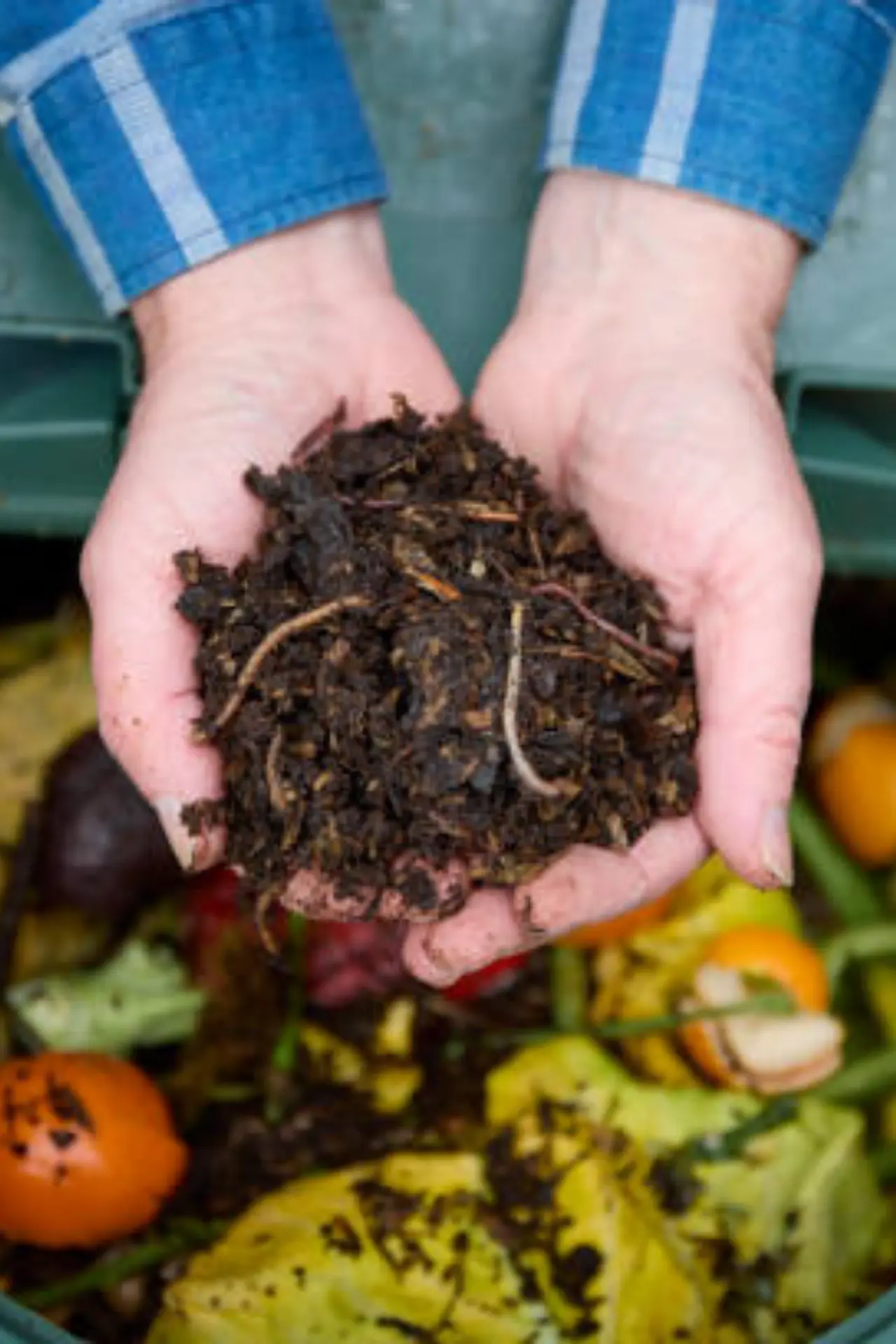
Basically, compost helps your plants absorb nutrients better and grow strong. No chemical stress, no drama.
.
Composting and Pest & Disease Prevention
Composting = Fewer Pests & Sick Plants
Healthy soil = healthy plants.
When you use compost regularly, it fills your soil with good microbes. Those little guys naturally fight off bad bacteria and pests in the soil. So over time, you’ll deal with way less fungus, root rot, and those random yellow leaves from nutrient issues.
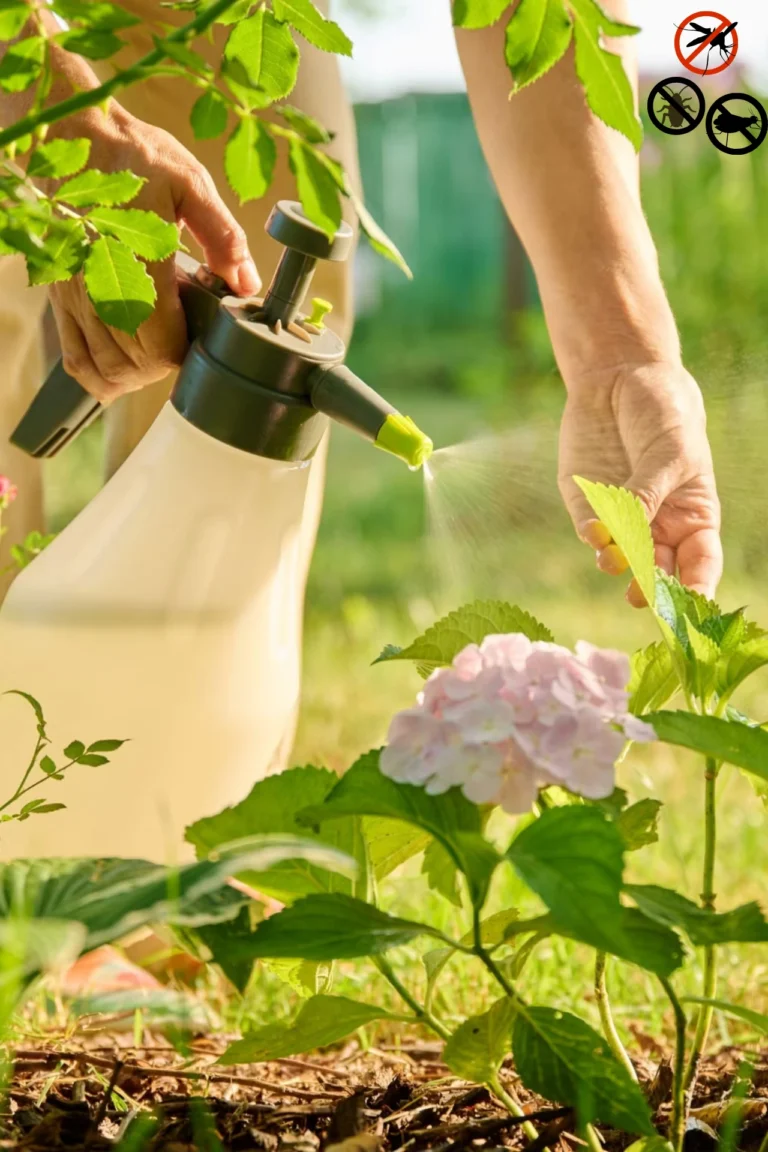
That’s why composting works so well with organic pest control and other natural plant care tricks. It’s not just fertilizer — it’s plant insurance.
Beginner Mistakes to Avoid in Composting at Home
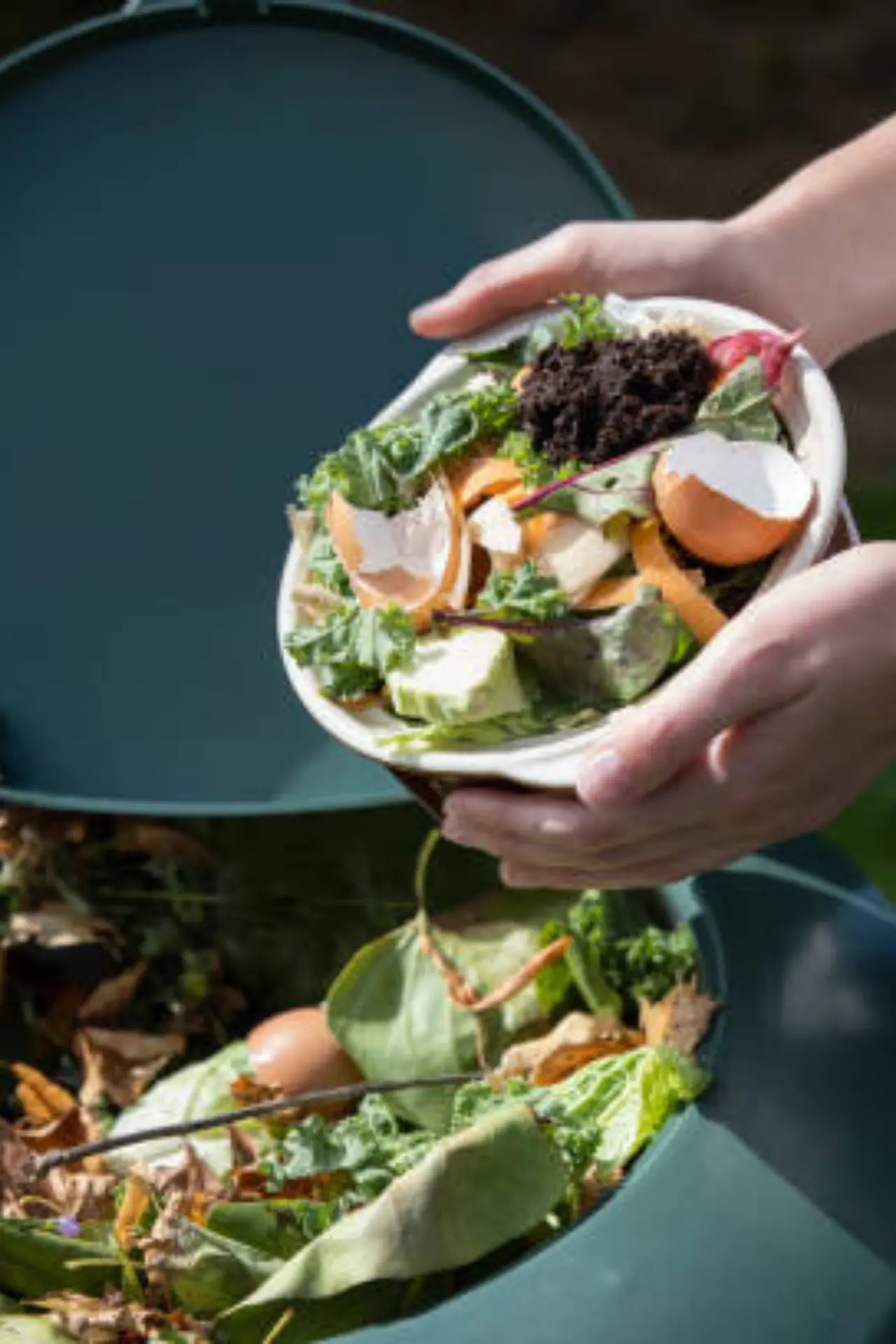
Compost is meant for fresh, organic food scraps. If you overload it with the wrong stuff like cooked food or oil, it’ll turn into a mess and hurt your plants instead.
So, make sure you are not adding:
- Cooked food or oily waste
- Ignoring moisture balance
- Never turning the compost
- Using only green waste
Skip these mistakes and your compost will turn out clean, rich, and safe for all your garden plants.
.
FAQs – Composting at Home
Can I compost in a flat or apartment?
Yes, bucket or pot composting works perfectly for apartments.
Is compost better than chemical fertilizer?
Compost improves soil health long‑term, while chemicals offer short‑term results.
Can compost attract insects?
Properly managed compost does not attract pests.
How often should I use compost?
You can use compost every 20–30 days during active plant growth.
Final Thoughts: Grow More with Healthy, Homemade Compost
Composting at Home isn’t just another gardening task. It’s a small habit that gives back big — healthier plants, softer soil, and a little more green in your daily life.
Every peel, leaf, and kitchen scrap you save from the trash can turn into food for your plants. Whether you’re growing sabzi, flowers on your balcony, or indoor plants by the window, homemade compost gives them real, organic strength. Better soil, stronger roots, fewer problems. That’s the magic.
The best part? You don’t need a big garden or fancy tools. Just a bucket, some patience, and 5 minutes a week. Anyone can start, right from home.
We hope this guide gives you the push to try it. Start small, keep it simple, and watch your garden come alive.Happy composting 🌿 Here’s to healthier plants and better harvests, season after season.
Bohat zabardast blog hai. Composting ka concept simple aur practical tareeqay se samjhaya gaya hai. Pakistan ke gharon ke liye ye guide bohat helpful hai.