🌿 Fresh Live Plants Delivered Safely | 🚚 Nationwide Delivery | 💳 Advance Payment Required for Plants, Liquids & Parcels over 3kg

Ultimate Beginner’s Guide to Growing Saffron (Zafran) Bulbs at Home in Pakistan

Introduction
Saffron — or Zafran — is called “red gold” for a reason. It’s one of the most expensive spices in the world, but the surprising part? You can actually grow it at home.
In Pakistan, more and more gardeners are trying saffron from bulbs. Why? It’s valuable, it has real medicinal benefits, and it grows well even in pots or small spaces. You don’t need acres of land.
If you’re new to gardening and thinking “where do I even start?”, this Seed Sowing Basics guide is for you.
Inside, we’ll cover everything step by step: when to plant saffron bulbs in Pakistan, how to sow them the right way, how to care for the plants, and finally — how to harvest those real saffron threads from the flowers yourself.
No confusing terms. Just simple steps you can follow.
Why Grow Saffron (Zafran) at Home?
Growing saffron at home feels like a win on both sides.
Financially, even 10-15 bulbs can give you enough saffron for your kitchen for the whole year. Personally, there’s nothing like watching those purple flowers bloom in your own pot and plucking real zafran threads with your own hands. It’s rare, beautiful, and honestly pretty special.
What makes saffron bulbs great for home gardeners:
- Big value, small space – You get one of the world’s most expensive spices from just a few square feet
- Low water needs – Perfect for Pakistan’s dry climate
- Grows anywhere – Pots, garden beds, raised planters… all work
- Bulbs last years – Take care of them once, they’ll keep giving
- Loves our weather – Mild winters and dry air in Pakistan = ideal for saffron
Want to try it? You can find good quality saffron bulbs on SeedBeej.pk.
.
Best Saffron Sowing Season in Pakistan
Timing is everything with saffron. Plant at the wrong time and the bulbs won’t do much. Plant at the right time and they’ll reward you.
When to sow:
- Late August to October is the sweet spot for Pakistan. The nights start getting cooler and the soil is dry — exactly what saffron bulbs love to settle in and grow roots.
What to expect:
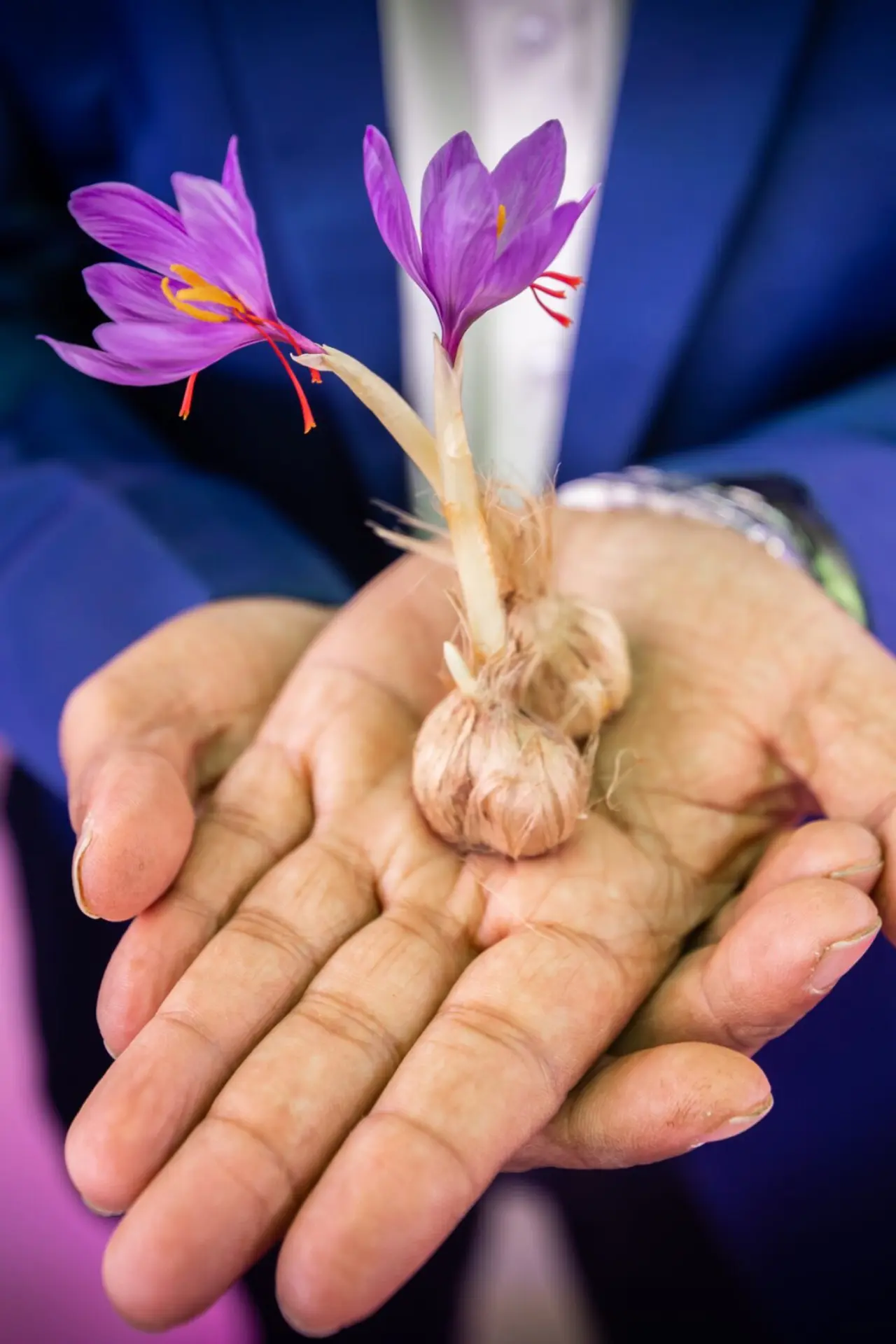
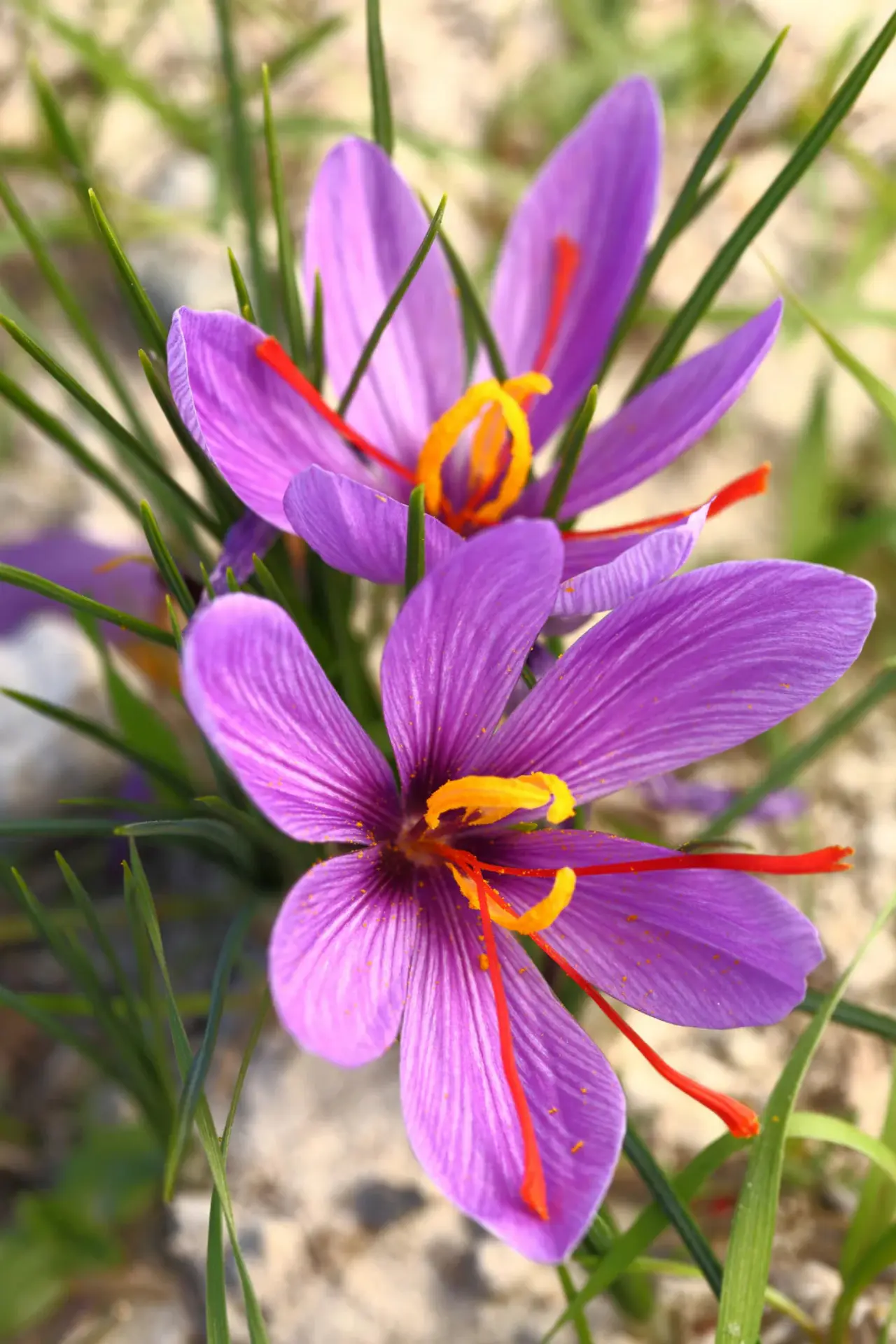
- Plant them now and you’ll usually see purple flowers popping up in 6-8 weeks. That’s when the real zafran threads appear.
One big mistake to avoid:
- Don’t plant during heavy monsoon rains. Too much water = rotten bulbs. Saffron hates wet feet. Wait till the rain stops and soil dries out a bit.
Soil Requirements for Saffron Bulbs
Saffron bulbs are picky about one thing: drainage. They need soil that lets water pass through fast. Wet soil = rotten bulbs and fungus. Dry, loose soil = happy roots.
Best Soil Mix
- Sandy loam or loose garden soil – Light and airy works best. If water sits on top, your soil is too heavy.
- Add organic compost or old cow manure – This feeds the bulbs naturally and keeps the soil soft. No chemical fertilizers needed.
- Soil pH: neutral to slightly alkaline – Around 6.5 to 8 is perfect. Most of Pakistan’s soil is already in this range, so you’re lucky there.
Quick tip: If your soil feels heavy or clay-like, mix in sand + compost before planting. That one step saves a lot of trouble later.
Need good compost? Check the Compost & Fertilizers section on SeedBeej.pk for organic options.
.
How to Sow Saffron Bulbs (Step-by-Step)
Plant them right once, and your saffron will thank you with more flowers later. Here’s how:
Sowing Method
- Pick a sunny spot – Saffron loves full sun. Use a pot, raised bed, or garden corner. Just make sure it has drainage holes. No drainage = no saffron.
- Dig holes 4-6 inches deep – About the length of your finger. Too shallow and bulbs dry out, too deep and they struggle to sprout.
- Place bulbs with pointy side up – That pointy end is where the shoot comes out. If you plant upside down, it’ll still grow but slower.
- Keep 4-5 inches gap – Give each bulb space to breathe and multiply. Crowded bulbs = smaller flowers.
- Cover lightly and water gently – Fill the hole back with soil, then give a light sprinkle of water. Don’t drench it.
- Do this in late August–October and you’re set. In 6-8 weeks you’ll see purple flowers popping up.– Pat it softly only. Bulbs need air in the soil to grow strong roots.
Do this in late August–October and you’re set. In 6-8 weeks you’ll see purple flowers popping up.
Watering Needs After Sowing
Here’s the golden rule for saffron: less water, more flowers.
Saffron bulbs hate wet soil. They come from dry, mountain regions, so they’re built for “thirsty” conditions.
How to water it right:
- After planting – Give just one light watering to settle the soil. That’s it.
- During rainy days – Don’t water at all. Let nature do its job. Extra water = rotten bulbs.
- Once flowers show up – Only water when the top 2 inches of soil feels dry to your finger. If it’s still moist, wait.
Beginner mistake to skip: Overwatering kills more saffron bulbs than anything else. When in doubt, don’t water. Saffron prefers “thirsty” over “drowned.”
Think of it like a cactus, not a rose 🌸
Saffron Plant Care & Maintenance
Saffron isn’t needy, but it does ask for a few things. Get these right and your bulbs will multiply and give flowers year after year.
Simple care tips that work:
- Give it full sun – 6+ hours of direct sunlight daily. Saffron is a sun-lover. Shady corners won’t work.
- Skip heavy fertilizers – No need for chemicals. A handful of organic compost once a year is all it wants.
- Keep weeds out – Pull weeds regularly. They steal water and food from your bulbs.
- No water logging – If water stands near the bulbs after rain, make a small drain. Wet bulbs = rot.
- Let the leaves grow after flowering – This is the important part most people miss. Even after flowers finish, those green leaves keep feeding the bulb underground. Don’t cut them. This is when the bulb stores energy for next year’s flowers.
Treat it like a low-maintenance plant with high returns. Less fuss, more zafran 🌿
How to Harvest Your Own Saffron Threads
This is the moment every saffron grower waits for 🌸 That flash of purple in the morning, and those precious red threads inside.
Harvesting Process
- Wake up early – Flowers open at dawn. Pick them the same morning they bloom. Wait too long and the threads lose strength.
- Handle gently – Hold the flower softly and open the petals with your fingers.
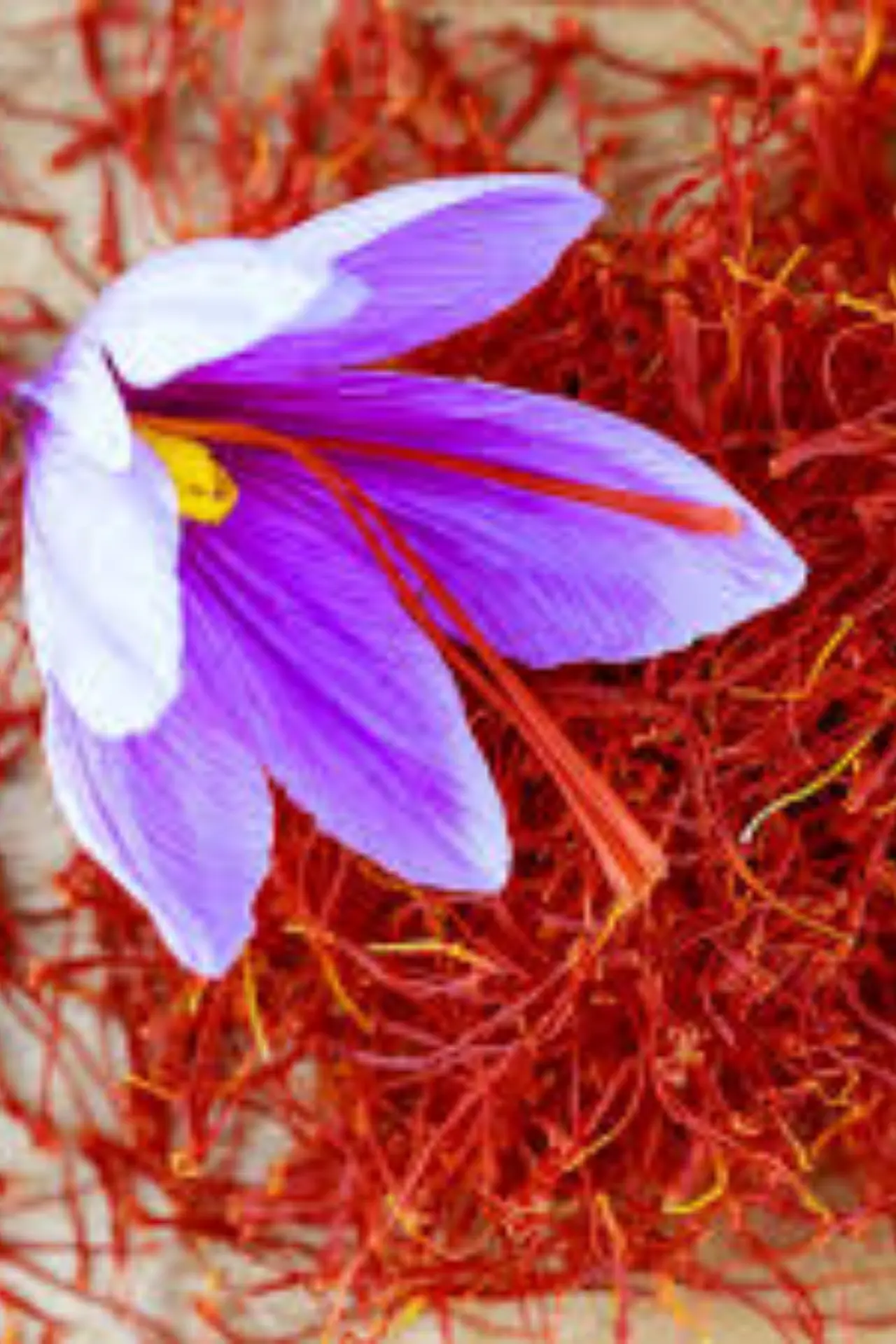
- Take out the 3 red stigmas – Those thin red strands are your real zafran. Use clean fingers or tweezers. Each flower gives you only 3 threads. That’s why saffron is called “red gold”.
- Dry them in shade – Spread the stigmas on tissue paper and let them dry 2-3 days in a shady, airy spot. No direct sunlight. Sunlight kills the color and aroma.
- Store properly – Once dry and crisp, put them in a small airtight glass jar. Keep it away from light and moisture. Your homegrown saffron is ready for chai, biryani, or kheer.
Pro tip: 150-200 flowers = just 1 gram of saffron. So celebrate every single thread. You grew it yourself!
Feels like magic when you use it the first time, doesn’t it?
.
After Harvest: Bulb Care for Next Season
Harvesting the saffron isn’t the end — it’s just halftime. What you do next decides if you’ll get flowers again next year.
How to care for bulbs after flowering:
- Let the leaves dry on their own – Don’t rush it. Those green leaves are still working hard, making food for the bulb underground.
- Don’t cut them – I know dry leaves look messy, but cutting them early = weak bulbs next season. Let nature finish the job.
- Stop watering when leaves turn yellow – Once leaves go yellow and dry, the bulb is “sleeping”. No water needed till next planting season.
- Bulbs multiply underground – While they’re resting, one bulb becomes 2-3. That’s how your patch grows bigger every year without buying new bulbs.
That’s the beauty of saffron. Plant once, and with basic care, it keeps giving for years. True long-term investment plant 🌿
Common Beginner Mistakes to Avoid
Saffron is low-maintenance, but a few small mistakes can cost you the whole season. Good news? All of them are easy to avoid.
5 mistakes to watch out for:
- Planting too shallow – If bulbs are just 1-2 inches down, they dry out fast. Stick to 4-6 inches deep for strong roots.
- Using heavy clay soil – Clay holds water like a bowl. Saffron bulbs rot in it. Use sandy loam + compost instead.
- Overwatering – “More water = more flowers” doesn’t work here. Wet soil kills bulbs faster than dry soil. When in doubt, skip watering.
- Harvesting flowers late – Pick them the morning they open. Wait till afternoon and the threads lose color, aroma, and value.
- Storing saffron in sunlight – Light fades the color and kills the smell. Always store dried threads in an airtight jar, away from light and heat.
Avoid these 5 and your bulbs will stay healthy, multiply, and give you better yield every year.
Think of it as learning from other gardeners’ mistakes, not your own 😊
Frequently Asked Questions (FAQs)
Q1: Can saffron be grown in pots in Pakistan?
Yes, saffron grows very well in pots as long as the container has good drainage and receives enough sunlight. Pots are ideal for balconies, rooftops, and small spaces.
Q2: How long does it take for saffron bulbs to flower after planting?
Saffron bulbs usually start flowering within 6 to 8 weeks after planting when sown in the correct season and soil conditions.
Q3: How many times do saffron bulbs bloom in a year?
Saffron bulbs bloom once a year, usually in autumn. With proper care, the bulbs multiply underground and continue flowering every year.
Q4: How much saffron is produced from one flower?
Each saffron flower produces three red stigmas, which are dried to make pure saffron threads.
Final Thoughts: Is Saffron Worth Growing at Home?
100% yes.
You don’t need acres of land or expert skills. Just a sunny corner, well-drained soil, and a little patience. Plant once, follow the basics, and your saffron bulbs will give you pure, home-grown zafran year after year.
For beginners in Pakistan, this is the perfect way to start with premium spice gardening. The blooms are stunning, the care is simple, and the reward is one of the world’s most valuable spices — grown by your own hands.
No chemicals, no middlemen, just you and your garden 🌸
Grow it. Harvest it. Use it. That feeling is worth more than the saffron itself.
For more growing tips & seasonal updates → Follow Seed Beej on Facebook