🌿 Fresh Live Plants Delivered Safely | 🚚 Nationwide Delivery | 💳 Advance Payment Required for Plants, Liquids & Parcels over 3kg

How to Grow Aquilegia (Columbine) from Seed: Complete Growing & Care Guide

Introduction
Aquilegia — you might know it as Columbine or Granny’s Bonnet.
It’s a graceful perennial with those unmistakable bell-shaped flowers and soft, fern-like leaves.
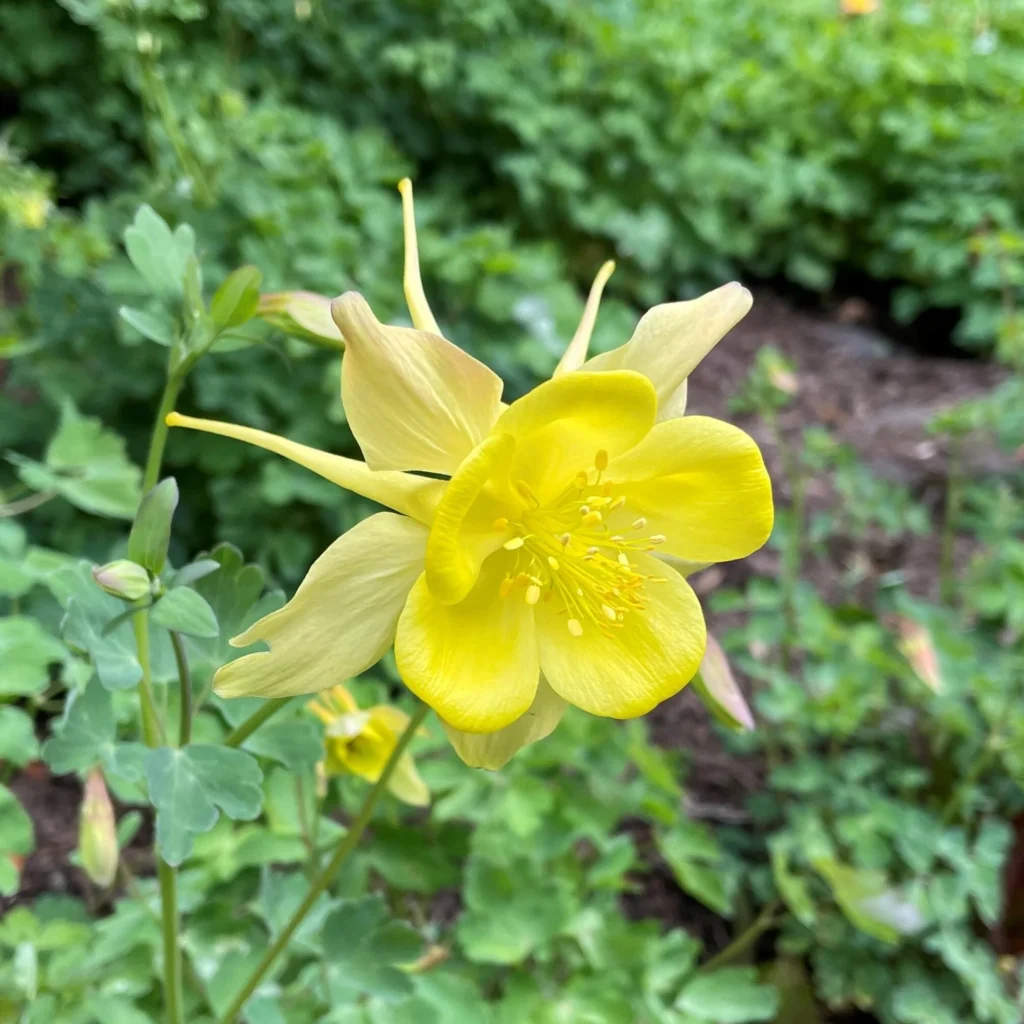
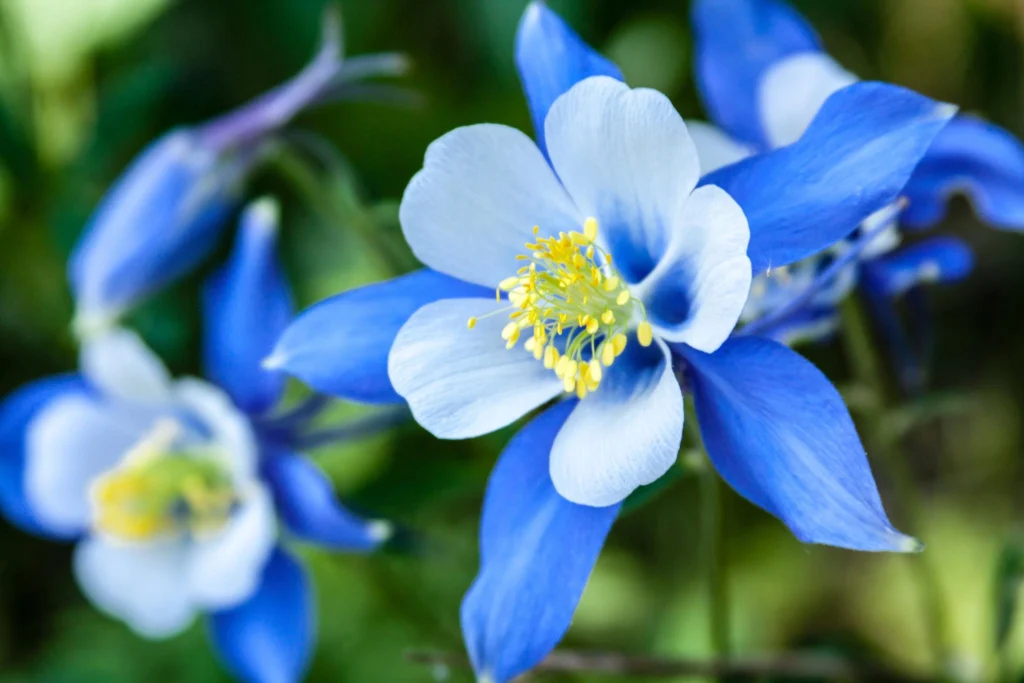
Grow Aquilegia (Columbine) from Seed and You’ll find them in purples, blues, pinks, yellows, whites, and pretty bi-colors. Bees, butterflies, and hummingbirds can’t resist them, and they give any garden that cozy cottage vibe.
Thinking of growing Aquilegia from seed? This guide walks you through the whole thing — from sowing to blooms to keeping them coming back year after year.


What is Aquilegia?
Aquilegia is part of the Ranunculaceae family. It’s a hardy perennial that puts on its show in late spring to early summer.
Most types grow about 30–90 cm / 1–3 feet tall and are happiest in cool weather with some afternoon shade.
The best part: unlike a lot of flowers, Columbines happily self-seed. Plant them once and you’ll get lovely drifts of flowers popping up on their own every year.
How to Grow Aquilegia (Columbine) from Seed
Grow Aquilegia (Columbine) from Seed is simple if you understand one important requirement—cold stratification.
Step 1: Cold Stratification
In nature, Aquilegia seeds sit through winter before they sprout. We can copy that.
To improve germination:
- In the fridge: Seal seeds in a bag with slightly damp tissue or vermiculite. Pop them in the fridge for 3–4 weeks.
- Let nature do it: Sow them outdoors in autumn. Winter will give them the chill they need.
Step 2: Choose the Right Seed Starting Mix
Use a light, fluffy mix instead:
- Coco peat
- Perlite
- Vermiculite
- Fine compost
Avoid heavy garden soil because it retains excess moisture.
Step 3: Sowing the Seeds
Aquilegia seeds need light for germination.
- Fill trays or pots with your moist mix
- Scatter seeds evenly across the surface
- Gently press them in — no deep covering
- Mist lightly with water
Step 4: Germination Conditions
Give them this to wake up:
- Temperature: 15–24°C (60–75°F)
- Bright indirect light
- Even moisture
- Good airflow
How long it takes to Grow Aquilegia (Columbine) from Seed?
Usually it takes 21–30 days to Grow Aquilegia (Columbine) from Seed. Some varieties are slowpokes and can take up to 6 weeks.
Patience here pays off. Once those first tiny seedlings show up, you’re on your way to a garden full of Granny’s Bonnets.


Transplanting Seedlings
Once seedlings develop 2–3 true leaves, transplant them into individual pots.
Before planting outdoors:
- Harden seedlings for 7–10 days.
- Gradually expose them to outdoor conditions.
Space plants:
30–45 cm (12–18 inches) apart.
Best Soil for Aquilegia
Columbines prefer:
- Rich organic soil
- Loose texture
- Excellent drainage
- Slightly acidic to neutral pH (6.0–7.0)
Adding compost before planting improves flowering and root growth.
Sunlight Requirements
Aquilegia performs best in:
- Morning sun
- Partial shade
- Dappled sunlight
In cooler climates it tolerates full sun.
In hot regions like many parts of Pakistan, afternoon shade keeps plants healthy and extends blooming.
Watering Guide
Young plants require consistent moisture.
Newly planted
- Water 2–3 times a week, depending on how hot or dry it is.
Established plants
Once they’re grown in, switch to
- Deep watering once every week.
- Water more frequently during heatwaves.
Avoid soggy soil as it can cause root rot.
Fertilizer Guide
Aquilegia is not a heavy feeder.
Apply:
- Compost in early spring
- Balanced slow-release fertilizer (10-10-10)
- Organic flower fertilizer once before blooming
Avoid excessive nitrogen since it produces lush leaves with fewer flowers.
Flowering Season
Aquilegia generally blooms:
- Late spring
- Early summer
Plants grown from seed usually flower in their second year, although healthy nursery plants bloom during the first growing season.
Deadheading and Pruning
A little snipping goes a long way with Columbines.
During bloom time:
Pinch off faded flowers as you go. This does 3 things:
- More blooms — the plant keeps flowering instead of making seeds
- Less self-seeding — if you don’t want seedlings everywhere
- Neater plants — keeps everything looking tidy
After flowering is done:
- Cut back the flower stems to the base
- Trim off any ragged or damaged leaves
- In late summer or autumn, you can cut the whole plant nearly down to ground level
Don’t worry — fresh, new foliage often pops up before winter and the plant goes dormant looking fresh.
This keeps your Columbines healthy and sets them up for an even better show next spring.
| Pest / Disease | Signs & Symptoms | Control / Prevention |
|---|---|---|
| Leaf Miners | White squiggly trails inside the leaves, brown patches, leaves looking distorted | Pluck off and toss the affected leaves right away. Give plants more space and airflow so they don’t get crowded. |
| Aphids | Tiny clusters of green, black, or brown bugs on new shoots and buds. Leaves may curl or feel sticky from honeydew | Blast them off with a strong spray of water. For bigger problems, use neem oil or insecticidal soap. |
| Powdery Mildew | White powdery coating on leaves and stems. Foliage turns weak and yellow | Improve air circulation, don’t water from overhead, and remove infected leaves ASAP. |
| Crown Rot | Soft, dark, mushy base at the center of the plant. Plant wilts and collapses | Plant in well-drained soil, don’t let water sit, and don’t bury the crown too deep. |
| Root Rot | Yellowing leaves, stunted growth, black or mushy roots from soil that’s too wet | Make sure drainage is excellent. Only water when needed and avoid heavy, soggy soil. |
Growing Aquilegia in Pots
Good news — Columbines are totally happy in containers and they look amazing on patios and balconies.
Choose the right pot
- Size: At least 10–12 inches deep so the roots have room
- Drainage: Must have drainage holes — no exceptions
- Soil: Use a premium potting mix. Light, fluffy, and well-draining is key
Where to place them
- Columbines love morning sun + afternoon shade.
- That combo keeps the blooms bright without frying the foliage, especially in warmer spots.
Watering
Pots dry out faster than garden beds, so you’ll need to water a bit more often.
Check the top inch of soil — if it’s dry, give it a drink. Just don’t let them sit in standing water.
Pop a few in matching pots and you’ll get that cottage-garden look anywhere.
Companion Plants
Aquilegia pairs beautifully with:
- Foxglove
- Delphinium
- Lupins
- Hostas
- Ferns
- Bleeding Heart
- Astilbe
- Heuchera
These plants create stunning woodland-style gardens.
Frequently Asked Questions
How long do Aquilegia seeds take to germinate?
Usually 21–30 days under cool, moist conditions.
Do Aquilegia seeds need light?
Yes. Do not bury them deeply.
Does Columbine come back every year?
Yes. Aquilegia is a perennial and returns annually with proper care.
Can Columbine self-seed?
Yes. Mature plants often spread naturally by self-seeding.
Is Aquilegia suitable for pots?
Absolutely. Deep containers with good drainage work very well.
Can I Grow Aquilegia (Columbine) from Seed In Pakistan?
Columbines actually do really well in Pakistan.


Final Thoughts
Aquilegia, or Columbine, is one of the easiest perennials you can grow from seed — and it pays you back every year.
Give it cool weather, some afternoon shade, rich well-draining soil, and steady watering, and you’ll get those graceful, bell-shaped blooms all over your garden each spring.
Plant them in borders, tuck them into a woodland spot, or grow them in pretty pots. Wherever they go, they bring color and attract bees, butterflies, and hummingbirds.
Plant once, enjoy for years. That’s the magic of Columbine. 🌸