🌿 Fresh Live Plants Delivered Safely | 🚚 Nationwide Delivery | 💳 Advance Payment Required for Plants, Liquids & Parcels over 3kg

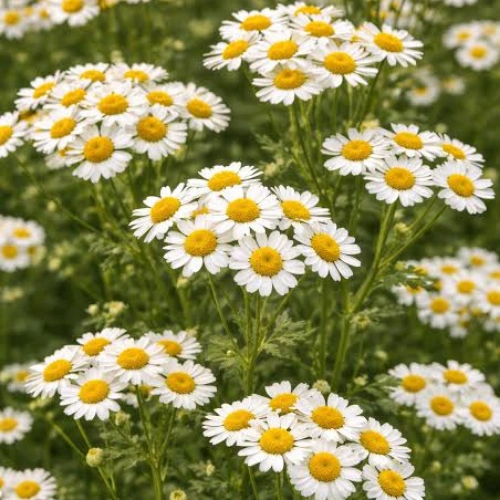
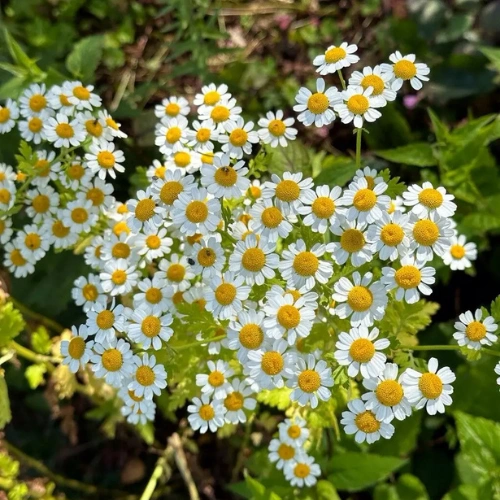
Tanacetum Seeds – Feverfew Flower Seeds
₨ 99
- Approx. 20 seeds per pack
- Easy to grow from seed
- Prefers full sun to partial shade
- Produces daisy-like flowers
- Attractive aromatic, fern-like foliage
- Suitable for pots, containers and garden beds
- Can attract beneficial pollinators
- Suitable for cut-flower gardens
- Relatively low-maintenance once established
- Can be grown as a perennial depending on species and climate
Tanacetum Seeds are a great choice for gardeners looking for an attractive and less-common flowering plant. Tanacetum includes several ornamental species, with Feverfew (Tanacetum parthenium) being one of the commonly grown types.
The plants develop finely divided, fern-like foliage and charming daisy-like flowers, making them suitable for flower beds, borders, containers and cottage-style gardens. The plants generally perform best in sunny locations with well-draining soil.
Tanacetum seeds are tiny and generally require light to germinate, so they should be pressed gently onto the surface of moist growing medium rather than deeply buried. Under suitable conditions, germination can take around 1–3 weeks.
With proper care, Tanacetum can make an attractive addition to home gardens and can also be useful as a cut-flower plant.
Sunlight Requirements
| Requirement | Details |
|---|---|
| Sunlight | Full Sun to Partial Shade |
| Ideal | 6+ hours of sunlight daily |
| Best Location | Bright, sunny location |
| Shade Tolerance | Can tolerate light partial shade |
Water Requirements
| Requirement | Details |
|---|---|
| During Germination | Keep the soil consistently moist |
| After Germination | Water when the top layer begins to dry |
| Established Plants | Moderate watering |
| Hot Weather | Check soil more frequently and water as needed |
| Important | Avoid waterlogging |
Soil Requirements
| Requirement | Details |
|---|---|
| Soil Type | Fertile, loose & well-draining |
| Organic Matter | Recommended |
| Drainage | Excellent drainage is important |
| Recommended Mix | Garden soil + compost + cocopeat |
| Optional | Add perlite or sand to improve drainage |
How to Sow Tanacetum Seeds
- Fill a seed tray or small pot with a fine, well-draining growing mix.
- Moisten the soil before sowing.
- Sprinkle the tiny seeds over the soil surface.
- Do not bury the seeds deeply, as light helps them germinate.
- Press them gently against the surface.
- Mist carefully to avoid disturbing the seeds.
- Keep the growing medium consistently moist.
- Place the tray somewhere bright and warm.
- Germination generally takes around 1–3 weeks.
- Once seedlings are established, gradually thin or transplant them.
Explore more Winter Flower Seeds
Plant Spacing
For established plants, maintain approximately 12–18 inches spacing to allow proper air circulation and growth.
Plant Care
- Provide plenty of sunlight.
- Keep young seedlings consistently moist.
- Avoid overwatering and poorly drained soil.
- Thin crowded seedlings after establishment.
- Transplant carefully once seedlings are strong enough to handle.
- Remove spent flowers to encourage continued blooming.
- Once established, plants generally require less frequent watering.
Uses
- 🌸 Flower beds
- 🪴 Pots and containers
- 🌿 Cottage gardens
- 🌱 Garden borders
- ✂️ Cut flowers
- 🐝 Pollinator-friendly gardens
- 🏡 Home gardening
Note: Feverfew has a history of use in traditional herbal practices, but this product should be grown and used as a garden plant rather than treated as a medical product.
FAQs
1. How many Tanacetum seeds are in one packet?
Each packet contains approximately 20 Tanacetum seeds.
2. Do Tanacetum seeds need light to germinate?
Yes. The tiny seeds should generally be pressed onto the surface of moist soil rather than deeply covered.
3. How long do Tanacetum seeds take to germinate?
Under suitable conditions, germination can take approximately 1–3 weeks.
4. How much sunlight does Tanacetum need?
Tanacetum generally performs best in full sun, although it can tolerate light partial shade.
5. Can Tanacetum be grown in pots?
Yes. Tanacetum can be grown successfully in pots and containers as long as the soil drains well.
6. What type of soil is best for Tanacetum?
Use fertile, loose and well-draining soil enriched with organic matter.
7. How often should I water Tanacetum?
Keep the soil slightly moist during germination. Once established, water when the top layer of soil begins to dry.






Reviews
There are no reviews yet.