🌿 Fresh Live Plants Delivered Safely | 🚚 Nationwide Delivery | 💳 Advance Payment Required for Plants, Liquids & Parcels over 3kg

Dragon Fruit Plant Care Tips & Growing Guide

Introduction
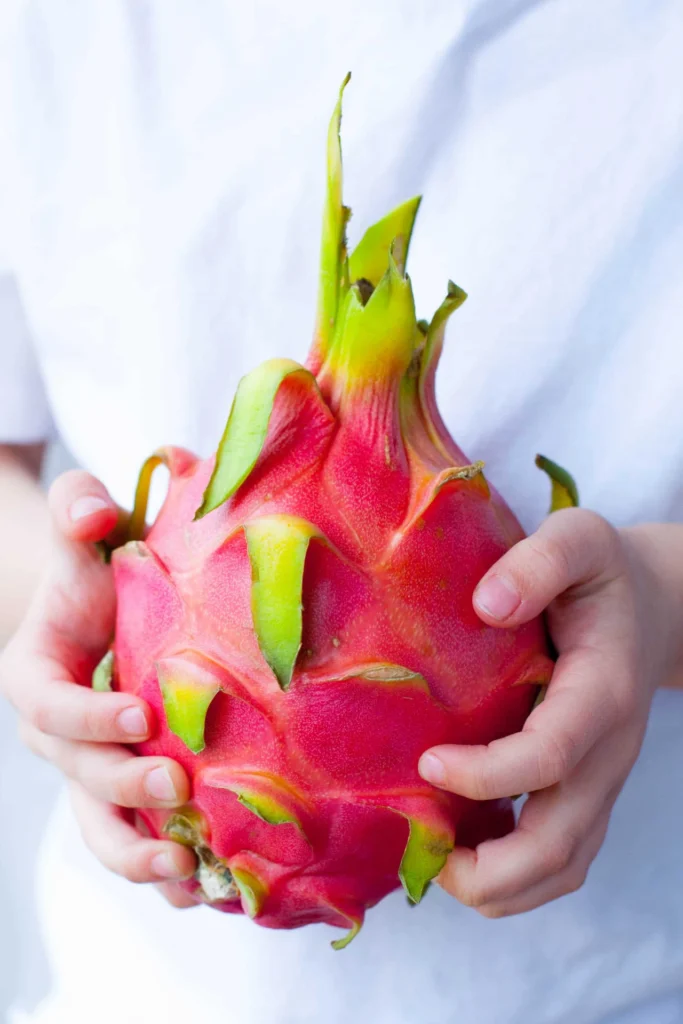
Dragon Fruit (Hylocereus or Selenicereus spp.), also known as Pitaya, is a tropical climbing cactus grown for its colorful fruits and night-blooming flowers. It performs well in Pakistan’s warm climate and is suitable for home gardens, rooftops, farms, and large containers. With proper support, full sunlight, and well-drained soil, a dragon fruit plant can produce fruit for many years if you learn Dragon Fruit Plant Care Tips
Learn Dragon Fruit Plant Care Tips & Growing Guide with SeedBeej.pk, and if you want a dragon fruit plant, click below
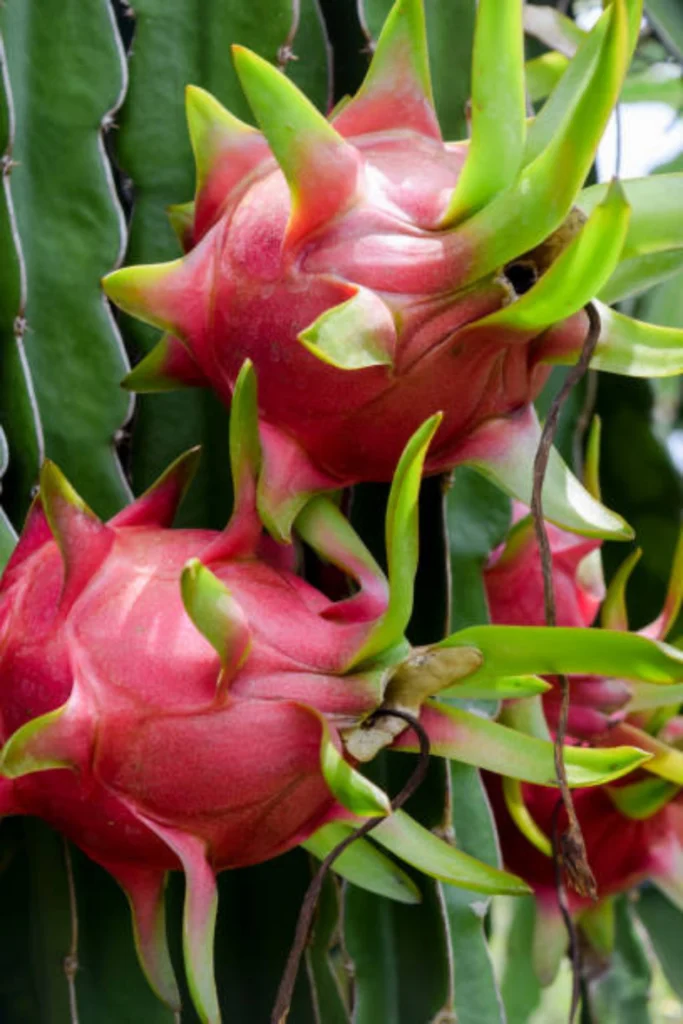
About Dragon Fruit
- Tropical climbing cactus
- Produces edible fruits rich in fiber and antioxidants
- Fast-growing under warm conditions
- Fruits usually appear 2–3 years after planting from cuttings
- Best suited for areas with long summers and mild winters
Types of Dragon Fruit
| Variety | Flesh Color | Skin Color | Taste |
|---|---|---|---|
| White Dragon Fruit | White | Pink/Red | Mildly sweet |
| Red Dragon Fruit | Red | Pink/Red | Sweeter with rich flavor |
| Yellow Dragon Fruit | White | Yellow | Sweetest variety |
Choosing a Healthy Plant or Cutting
Select:
- Thick, firm, green stems
- Disease-free plants
- Well-rooted cuttings
- No black spots or stem rot
- Healthy aerial roots
Avoid:
- Soft or shriveled stems
- Yellowing cuttings
- Damaged roots
- Plants showing fungal infection
How to Plant Dragon Fruit
Dragon Fruit grows best from stem cuttings, which establish faster than seeds.
Recommended Soil Mix
| Material | Ratio |
|---|---|
| Sandy loam/Garden soil | 50% |
| Organic compost | 30% |
| Sand or Perlite | 20% |
The soil should be loose, fertile, and fast-draining.
Pot or Ground Planting
| Growing Method | Best For |
|---|---|
| Large Pot (18–24″) | Terrace & balcony gardening |
| Ground Planting | Farms and home gardens |
Provide a strong trellis, concrete pole, or wooden support, as Dragon Fruit is a climbing cactus.
Growing Requirements
Care Guide
| Care | Requirement | Tip |
|---|---|---|
| Sunlight | 6–8 hours direct sun | Full sun gives better flowering |
| Water | Water when topsoil dries | Avoid soggy soil |
| Soil | Well-draining, slightly acidic | Never use heavy clay soil |
| Temperature | 20–35°C | Protect from frost |
| Humidity | Moderate | Good airflow prevents disease |
| Fertilizer | Balanced NPK every 2–3 months | Use high phosphorus during flowering |
Watering Schedule
| Season | Watering |
|---|---|
| Spring | Once or twice a week |
| Summer | Every 3–5 days (depending on heat) |
| Monsoon | Water only if soil dries |
| Winter | Every 10–15 days |
Seasonal Care
| Season | Care |
|---|---|
| Spring | Fertilize and train new growth |
| Summer | Water regularly and mulch |
| Monsoon | Improve drainage and monitor fungal diseases |
| Winter | Reduce watering and protect from frost |
Fertilizing
- Apply compost before planting.
- Feed with balanced NPK every 2–3 months.
- Switch to a phosphorus- and potassium-rich fertilizer before flowering and fruiting.
- Avoid excessive nitrogen, as it promotes leafy growth instead of flowers.
Composting
Suitable organic amendments include:
- Vermicompost
- Well-rotted farmyard manure
- Homemade compost
- Cocopeat mixed with compost
Don’t be shy to explore the best organic compost to make your plant growth healthier
Mulching
Mulching helps:
- Retain soil moisture
- Reduce weeds
- Keep roots cool in summer
- Improve soil quality over time
Use dry leaves, rice straw, or coco mulch.
Pruning & Training
- Tie the main stem to a strong support.
- Pinch the growing tip once it reaches the top of the trellis.
- Remove dead, damaged, or overcrowded stems.
- Good pruning improves airflow and encourages more fruiting branches.
Propagation
Dragon Fruit is most commonly propagated through stem cuttings.
Steps:
- Cut a healthy stem (20–30 cm).
- Let it dry for 3–7 days until callused.
- Plant 2–5 cm deep in well-drained soil.
- Water lightly until roots develop.
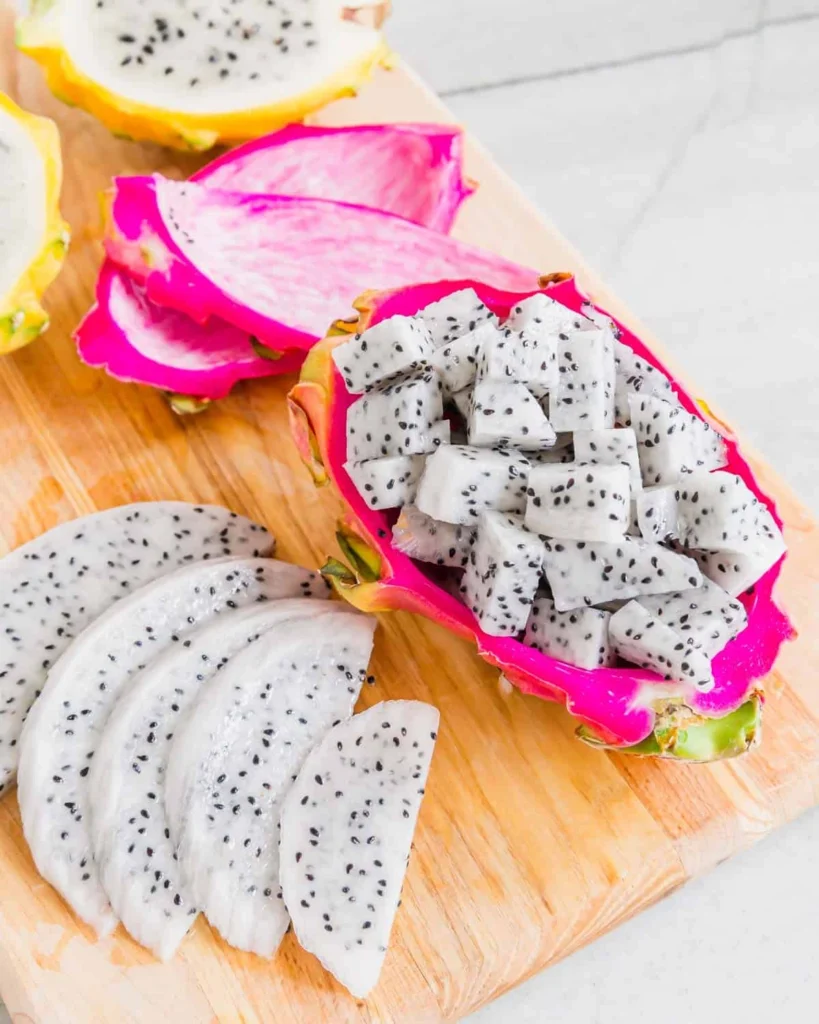
Enjoy your own homegrown dragon fruit with simple tips and tricks
Common Problems & Solutions
| Problem | Cause | Solution |
|---|---|---|
| Stem rot | Overwatering | Improve drainage |
| Yellow stems | Poor nutrition | Apply balanced fertilizer |
| Root rot | Waterlogged soil | Reduce watering |
| No flowers | Lack of sunlight | Provide 6–8 hours of sun |
| Small fruits | Poor pollination or nutrition | Feed during flowering |
Disease Prevention
- Avoid standing water.
- Use clean pruning tools.
- Ensure proper spacing for airflow.
- Remove infected stems immediately.
- Inspect plants regularly for pests.
Beginner Tips
- Start with rooted cuttings instead of seeds.
- Install a sturdy trellis before planting.
- Water deeply but not frequently.
- Grow in full sun.
- Be patient—fruiting takes time.
Boost growth and blooms with proven Dragon Fruit Plant Care Tips.
Do’s & Don’ts
| Do’s | Don’ts |
|---|---|
| Use well-draining soil | Don’t overwater |
| Provide strong support | Don’t plant in heavy clay |
| Prune regularly | Don’t overcrowd branches |
| Fertilize during growing season | Don’t overuse nitrogen fertilizer |
FAQs
How long does Dragon Fruit take to bear fruit?
Plants grown from cuttings usually produce fruit in 2–3 years.
Can Dragon Fruit grow in pots?
Yes. Use a large container with drainage holes and a sturdy support.
Does Dragon Fruit need full sunlight?
Yes. At least 6–8 hours of direct sunlight is recommended.
Can Dragon Fruit grow in Pakistan?
Yes. It grows well in most warm regions of Pakistan, including Punjab and Sindh.
Final Thoughts
Dragon Fruit is a productive fruit plant that thrives in warm climates with full sunlight, well-drained soil, and proper support. Regular watering, timely fertilizing, and occasional pruning will keep the plant healthy and improve flowering and fruit production. With the right care, it can remain productive for many years.
Save this post for easy Dragon Fruit Plant Care Tips you can use all year.
SeedBeej CTA
Looking to grow Dragon Fruit Plant Care Tips at home? Check out our Dragon Fruit Plant Care Tips to grow healthy, tasty fruit at home, premium potting mixes, compost, fertilizers, grow bags, and gardening essentials to help you grow strong, productive plants. Explore our collection and start your fruit garden with confidence.
Explore more fruiting plants with just one click