🌿 Fresh Live Plants Delivered Safely | 🚚 Nationwide Delivery | 💳 Advance Payment Required for Plants, Liquids & Parcels over 3kg



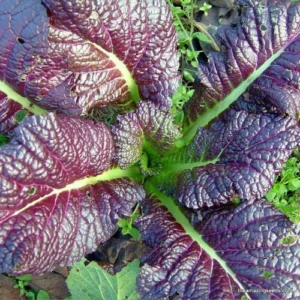
Red Mustard Seeds | Rai Surkh (رائی سرخ)
₨ 99
- 50 Red Mustard Seeds (Rai Surkh)
- Fast-growing, cool-season leafy vegetable
- Best grown in autumn & winter
- Produces attractive reddish-purple leaves
- Suitable for pots, containers & home gardens
- Germination in approximately 5–10 days
- Can be harvested as baby greens or mature leaves
Red Mustard seeds (Rai Surkh / رائی سرخ) is a fast-growing leafy vegetable belonging to the mustard family, Brassica juncea. It is known for its attractive reddish-purple leaves and distinctive spicy, slightly peppery flavor.
With 50 quality seeds in each pack, you can easily grow Red Mustard in your home garden, pots, containers, raised beds or kitchen garden.
Red Mustard is especially suitable for gardeners who want a quick-growing leafy vegetable. The young leaves can be harvested as baby greens or microgreens, while mature leaves can be used in salads, stir-fries, curries and other dishes.
Why Grow Red Mustard?
- Fast and easy to grow
- Produces attractive reddish-purple leafy greens
- Suitable for pots, containers and home gardens
- Can be grown for baby greens or mature leaves
- Performs best in cool weather
- Suitable for kitchen and vegetable gardens
- Great choice for beginner gardeners
- Pack contains 50 seeds
Growing Information
| Growing Requirement | Details |
|---|---|
| Plant Type | Leafy Vegetable |
| Botanical Name | Brassica juncea |
| Common Name | Red Mustard |
| Local Name | Rai Surkh / رائی سرخ |
| Seeds per Pack | 50 Seeds |
| Sowing Season | Autumn & Early Spring |
| Germination | Approximately 5–10 days |
| Ideal Temperature | Around 10–20°C |
| Sowing Depth | 1–2 cm |
| Spacing | 2–5 cm initially |
| Sunlight | Full Sun to Partial Shade |
| Soil | Fertile, moist & well-drained |
| Harvest | Baby greens in a few weeks; mature leaves later |
How to Grow Red Mustard Seeds
1. Prepare the soil
Use loose, fertile and well-draining soil. Adding compost or well-rotted organic matter can help provide nutrients.
2. Sow the seeds
Sow the seeds approximately 1–2 cm deep and lightly cover them with soil.
3. Water gently
Keep the soil consistently moist but avoid waterlogging. A gentle spray is ideal during germination.
4. Provide sunlight
Place the pot or garden bed where the plants receive good sunlight. In warmer conditions, some afternoon shade can help.
5. Thin the seedlings
Once seedlings become established, thin overcrowded plants to give them enough room to develop healthy leaves.
6. Harvest
You can harvest young leaves as baby greens or allow the plants to grow larger for mature mustard greens.
Germination
Red Mustard seeds generally germinate within 5–10 days when provided with suitable moisture, soil and temperature.
For better germination:
- Use fresh, well-drained soil.
- Don’t bury seeds too deeply.
- Keep the soil moist during germination.
- Avoid letting the seed bed dry out completely.
Explore more Winter Vegetable Seeds
Harvesting
Red Mustard is versatile because you don’t have to wait for the plant to fully mature.
Microgreens: Harvest young shoots when they are small and tender.
Baby Greens: Pick young leaves for salads and other fresh dishes.
Mature Greens: Allow the plant to develop larger leaves for cooking.
Harvesting outer leaves regularly can encourage the plant to continue producing new growth.
Growing Red Mustard in Pots
Red Mustard grows well in containers, making it a good option for balconies, rooftops and small gardens.
Choose a pot with:
- Good drainage holes
- At least moderate depth for root development
- Fertile, well-draining soil
Avoid overcrowding the container because mustard plants need enough space and airflow to develop healthy foliage.
Important Growing Tip
Red Mustard is a cool-season crop. Very hot weather can cause mustard plants to bolt quickly and develop a stronger, more bitter flavor. For best results in Pakistan, sow during the cooler part of the growing season.
What Can You Do With Red Mustard Greens?
Fresh Red Mustard leaves can be used in:
- Salads
- Stir-fries
- Cooked vegetable dishes
- Curries
- Sandwiches and wraps
- Soups
- Homemade mixed greens
- Microgreen dishes
FAQs
How many seeds are included in the pack?
Each pack contains 50 Red Mustard Seeds.
What is Red Mustard called in Pakistan?
Red Mustard is commonly known as Rai Surkh (رائی سرخ) or Rai Dana (رائی دانہ).
When should I sow Red Mustard Seeds?
Red Mustard is a cool-season crop. It is generally best sown during autumn and early spring, when temperatures are relatively cool.
Reviews
There are no reviews yet.